The Musicians
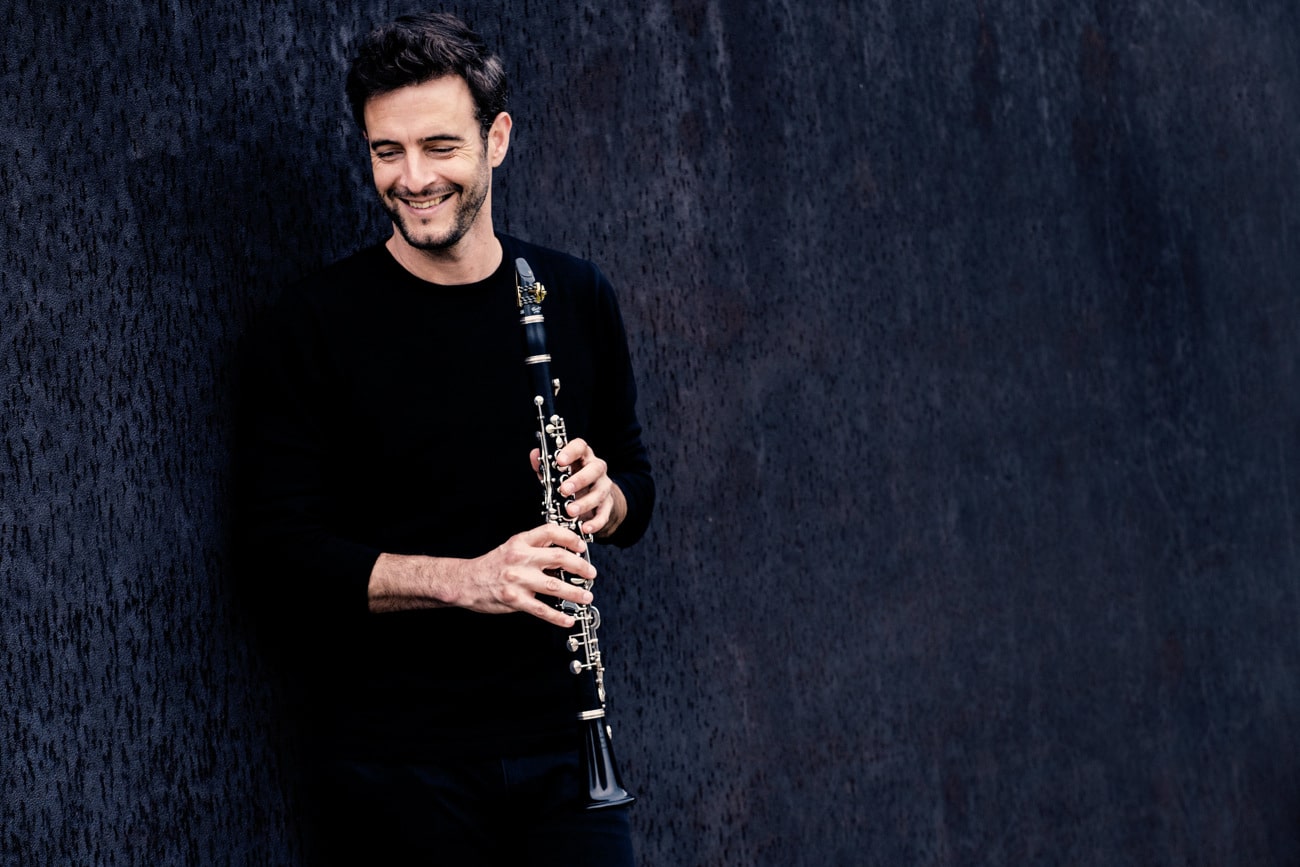
Jaume is regularly invited to conduct leading orchestras in Spain, including the Orquesta y Coro Nacionales de España (OCNE), the Orquestra de la Comunitat Valenciana (OCV), the Barcelona Symphony Orchestra (OBC), the Orquesta Sinfónica de Tenerife (OST), and the Real Filharmonía de Galicia, among many others. Internationally, he has worked with the BBC National Orchestra of Wales, the Antwerp Symphony Orchestra (ASO), the Stavanger Symphony Orchestra, the Belgrade Philharmonic, the Philharmonie Zuidnederland, and the Malaysian Philharmonic Orchestra, to name a few.
He has shared the stage with prominent artists such as Gautier Capuçon, Ning Feng, Alena Baeva, Lucas and Arthur Jussen, Alexandra Dariescu, Bruno Philippe, Alexandra Suonum, Tom Borrow, Andrei Korobeinikov, Alexandra Conunova, Alba Ventura, and Denis Kozhukhin, among others.
In June 2020, Santonja was selected as one of the four most promising young conductors to participate in exclusive master classes with Iván Fischer and the Royal Concertgebouw Orchestra in Amsterdam. He holds a Master of Music in conducting from the Royal Conservatory of Antwerp and a Master of Music in percussion from the Conservatorium van Amsterdam. He also holds an advanced degree in percussion from the Escola Superior de Música de Catalunya (ESMuC) in Barcelona.
Jaume’s career includes founding the music collective AbbatiaViva, which explores innovative and accessible ways to present music. As a percussionist, he served as principal timpanist and percussionist with the Antwerp Symphony Orchestra for seven seasons and has performed with some of the most prestigious youth orchestras, such as the Gustav Mahler Jugendorchester and the Verbier Festival Orchestra, under the baton of conductors including Mariss Jansons, Pierre Boulez, and Zubin Mehta.
jaumesantonja.com
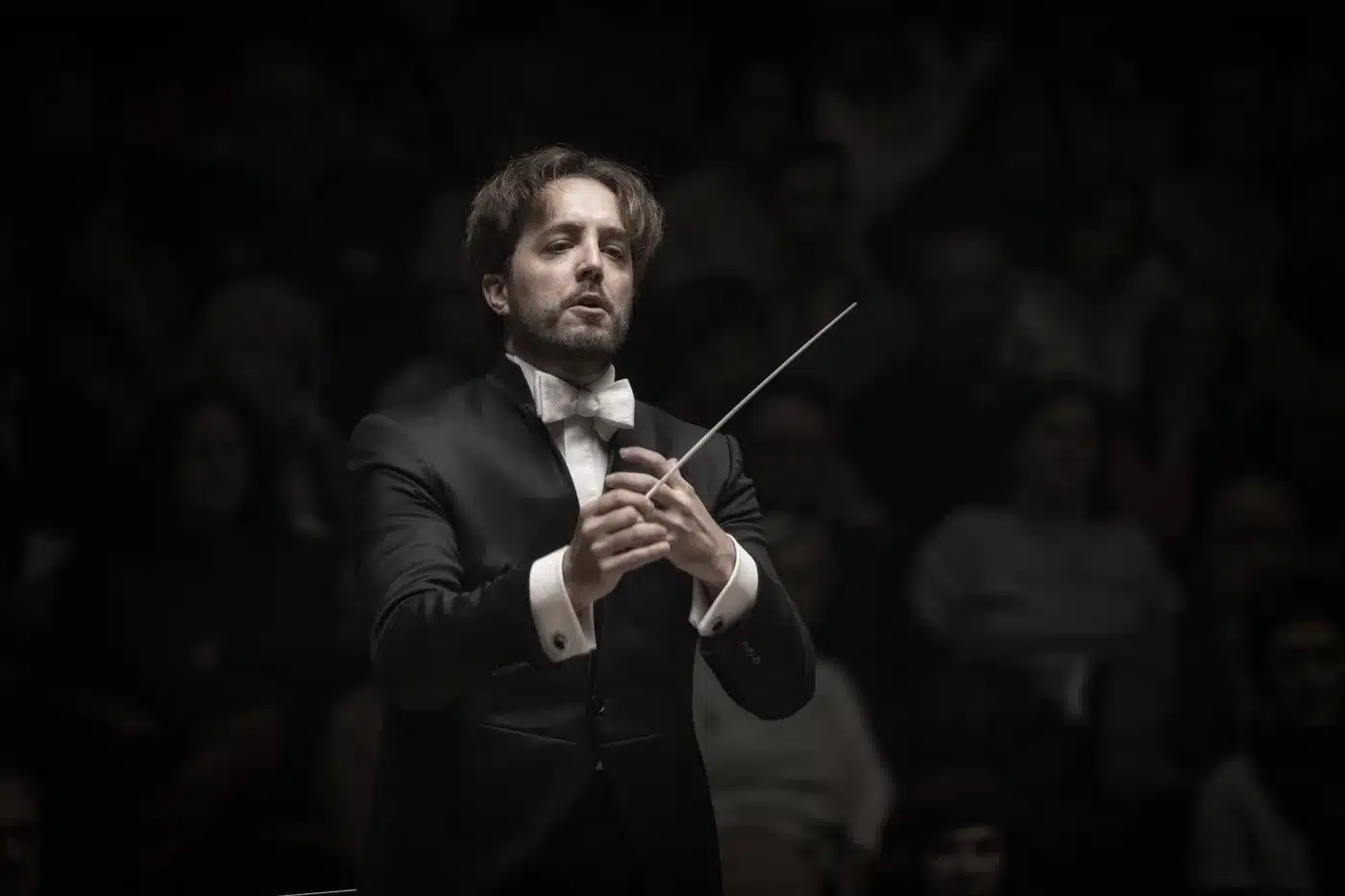
“With David Orlowsky, it feels as if the clarinet is transformed into a human being,” wrote the *Hamburger Abendblatt* in its tribute to his expressive playing.
The man who founded his internationally acclaimed David Orlowsky Trio at the age of just 16 sees himself as a singer who sings through his instrument. When he performs Mozart’s clarinet concerto, the clarinet part becomes a vocal line, and even in his award-winning duo project with lutenist David Bergmüller, he “sings” arias by Henry Purcell and John Dowland on his clarinet. Their joint album, *Alter Ego*, was released in the spring of 2022 on Warner Classics.
For 21 years, the four-time ECHO/Opus Klassik winner traveled the world with his trio to explore the intersection of classical music and klezmer. After a major farewell tour in 2019, the three musicians went their separate ways. The time was ripe for a new chapter filled with chamber music, solo concerts with an orchestra, and new compositions.
David’s chamber music partners in recent seasons have included Anastasia Kobekina, Antje Weithaas, Lauma Skride, and Martha Argerich. His clarinet quintet *The Clockmaker* premiered to great acclaim at the Elbphilharmonie in Hamburg in 2023 with the Quartetto di Cremona, and in the summer of 2024, his clarinet concerto *Shadow Dancer* will premiere at the Schleswig-Holstein Music Festival in the Elbphilharmonie’s Grand Hall.
Almost at the same time, his latest album, *PETRICHOR*, was released on Warner Classics, featuring guitarist Daniel Stelter and drummer Tommy Baldu.
davidorlowsky.com
Violin I
Jan Orawiec, Kanerva Mannermaa, Miguel Chamorro, Matias Malmqvist, Per-Erik Andersson, Lina Samuelsson, Kitiara Braune, Isaac Bachs Viñuela
Violin II
Pontus Björk, Andreas Olsson, Kersti Wilhelmsson, Amandus Lind, EvaBritt Molander, Nino Bisori, Mikhail Zatin
Viola
Yevgeniya Frolova, Pablo Muñoz Salido, Åsa Hjelm, Heather Storer, Johanne Skaansar
Cello
Hampus Linderholm, Bekhbat Tsagaanchuluun, Karin Bjurman, Kristina Tereschatov, Kerstin Isaksson
Double bass
Jan-Emil Kuisma, Charlotte Petersson, Josefin Landmér
Flute
Ebba Wallén, Björg Bjarnsdottir, Kristina Eriksson
Oboe
Emmanuel Rolland-Bezem, Jenny Hulphers
Clarinet
Tania Villasuso Couceiro, Jonas Olsson Hakelind
Bassoon
Peter Bolton, Jonathan Sandqvist, Maria Kindell
Horn
Orvar Johansson, Yerang Ko, Edna Fernandes, Anders Kjellberg
Trumpet
Malin Silbo-Ohlsson, Andreas Carlsson Walleng
Trombone
Peter Nygren, Daniel Bjerhag Hedin, Mathias Petersson
Tuba
Linus Mattsson
Timpani
Ian Piniés
Percussion
Maximiliano Polo
Ian Piniés
Harpa
Tanne Harder
Learn more about the Norrlandsoperan Symphony Orchestra here: norrlandsoperan.se/norrlandsoperans-symfoniorkester
Pursuant to
Norrlandsoperan is 60% owned by Region Västerbotten and 40% by the City of Umeå. We receive grants from the Swedish Arts Council.
Many thanks to all our donors, sponsors, and partners.