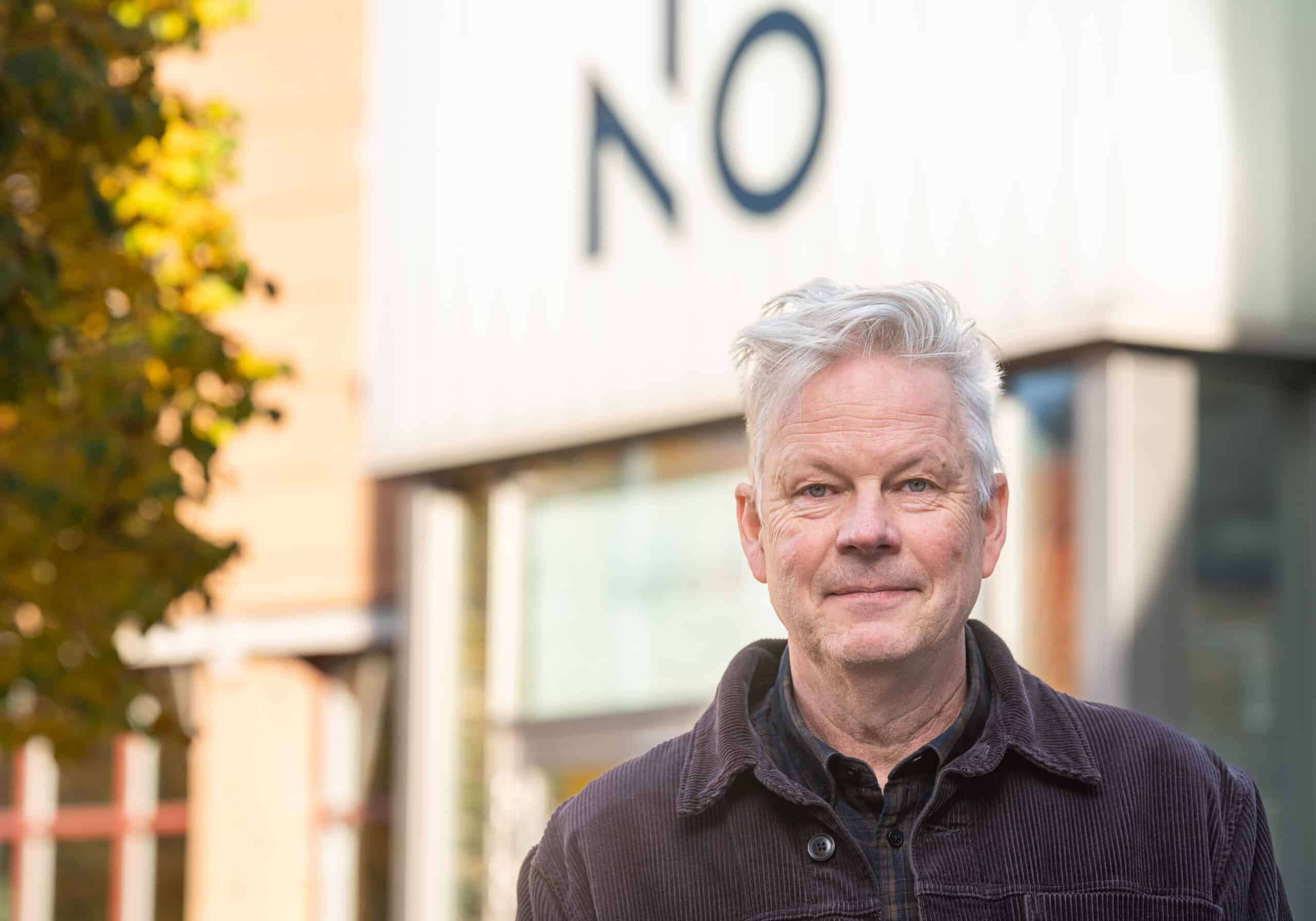
Who is Markus Falck, and how did you end up at the Norrlands Opera?
– My roots are in traditional folk music. I grew up in Gällivare and have played in the JP Nyström Folk Music Orchestra for many years. We started playing almost 50 years ago in Gällivare-Malmberget, and I was only 15 when we began touring. We’ve accomplished quite a lot over the years. We’ve recorded several albums and, as I mentioned, started playing all over Sweden when we were just kids, but also throughout the Nordic countries and Europe, as well as in Canada and the U.S.
I’m a trained social studies teacher and worked in education throughout the ’90s, with music as a hobby. But sometime in the spring of 2001, I saw a job posting. The company then known as Botnia Musik was looking for a music producer, and it was the small note saying “special expertise in chamber music or folk music is preferred” that made me think, “Well, I’ll give this a try!” It’s been 23 years since then—and how quickly time has flown!
I also have roots in the minority cultures found in our part of the world—specifically, the Finnish-speaking culture that has existed in Norrbotten County for as long as anyone can remember. Those who speak Tornedal Finnish—or Meänkieli, as it’s also called—make up my father’s background, and that language has been a part of my life from the very beginning. At the same time, Sámi culture has always had a strong presence. The Sámi are, after all, the indigenous people of Sweden and Europe, and I have friends, peers, and family members who are Sámi.
What do you like most about your job as a music producer?
– The best thing about this job is that you get to create music productions of the highest quality, that you get to do it for all the citizens and fellow human beings in our county—and you get a monthly salary for doing it. Taxpayers pay my salary so that I can, at best, make the world a little better for my fellow human beings. It’s also a huge responsibility, which means you can’t cut corners or slack off—you have to deliver. I agree with Gustav Möller: “Every wasted tax krona is a theft from the people.”
It’s a challenge, but also a great privilege, to be able to work on something like this. The fact that we have a system where the government guarantees high-quality cultural experiences for all citizens is incredibly unique and valuable—we must cherish it. A system where, ideally, every single person in all of Västerbotten should have access to culture of the highest quality. That’s important—and I try to do my part to make it happen.
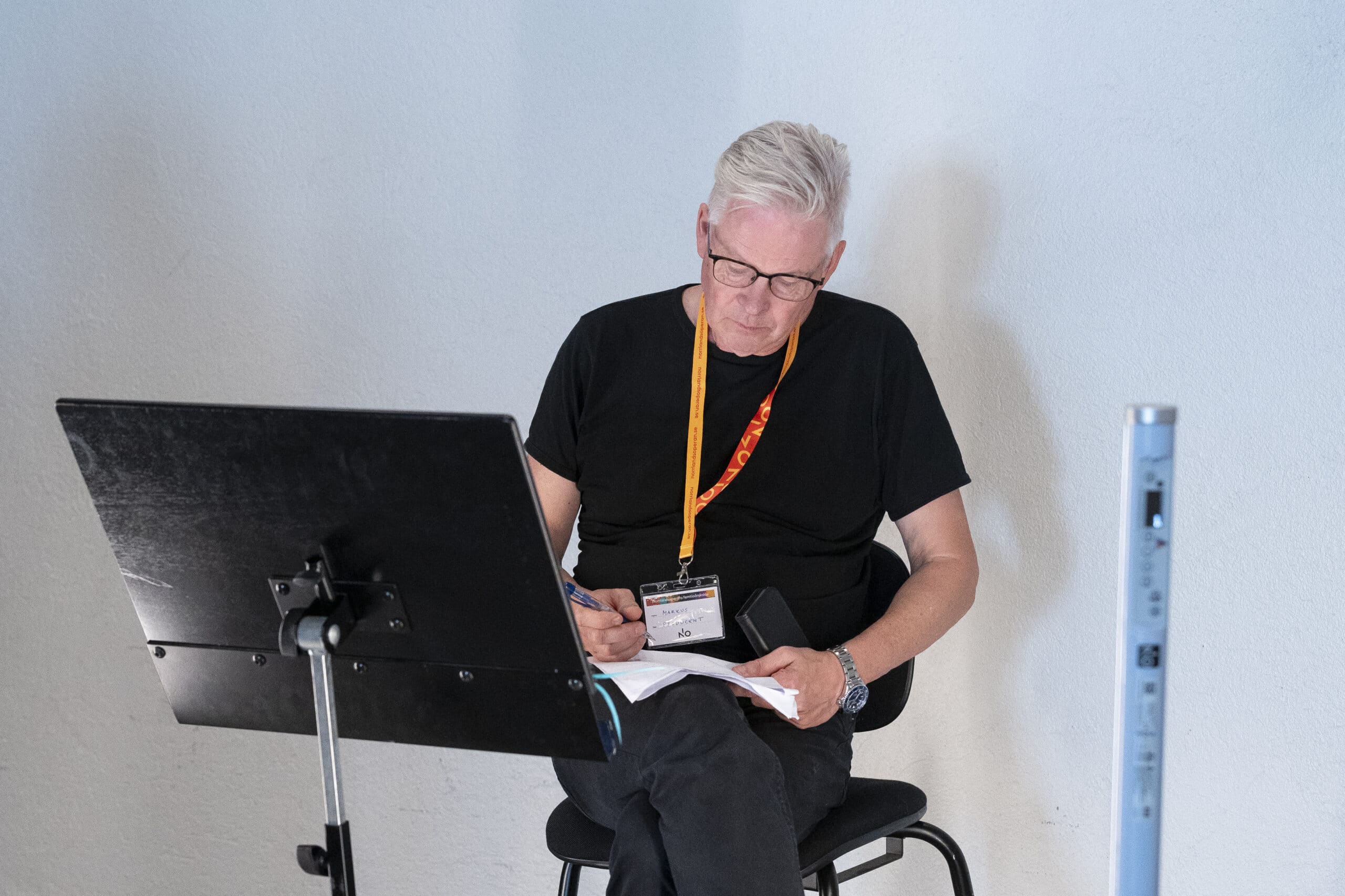
Tell us more about the theme of the Christmas concert—why is it important?
– I’ve been thinking about this Christmas concert for quite some time. Umeå, like many other municipalities, is the administrative region for these national minorities: the Sami and the Tornedalian—but also, in fact, the Swedish-Finnish.
What we’ve done is put together a Christmas concert with the Norrlandsoperan Symphony Orchestra that showcases Sámi, Tornedalian, and Swedish-Finnish elements—through lyrics and songs performed by artists from these various minority cultures. At the same time, it’s a Christmas concert where even those who speak only Swedish should feel welcome. That’s why we’re using Swedish as the main language, but it will be mixed with various Sámi languages, Standard Finnish, and Meänkieli, as well as Northern Swedish dialects. Among the performers is Thomas Andersson, a fiddler and storyteller, who will play the fiddle and also read the Christmas Gospel in the Burträsk dialect.
The underlying theme of the concert is midwinter, which is called “Kaamos” in Meänkieli. In Northern Sámi, it’s called “Skábma,” and it describes the time of the polar night—you know, when the darkness is dense and impenetrable. When everything slows to a crawl and it’s almost impossible to spend time outdoors except for brief moments. The Kaamos season is made for indoor activities, but also for reflection, human connection, and, not least, for music and storytelling. So the darkest time of the year also holds potential. There are opportunities there, and, like the message of the Christmas Gospel, a promise of a better and brighter future.
This year’s Christmas concert, titled Juvlla-joulu-Christmas Concert! will be held on December 13–14 at the Norrlandsoperan.