The Story of a Mine-Pit Lake in Stekenjokk
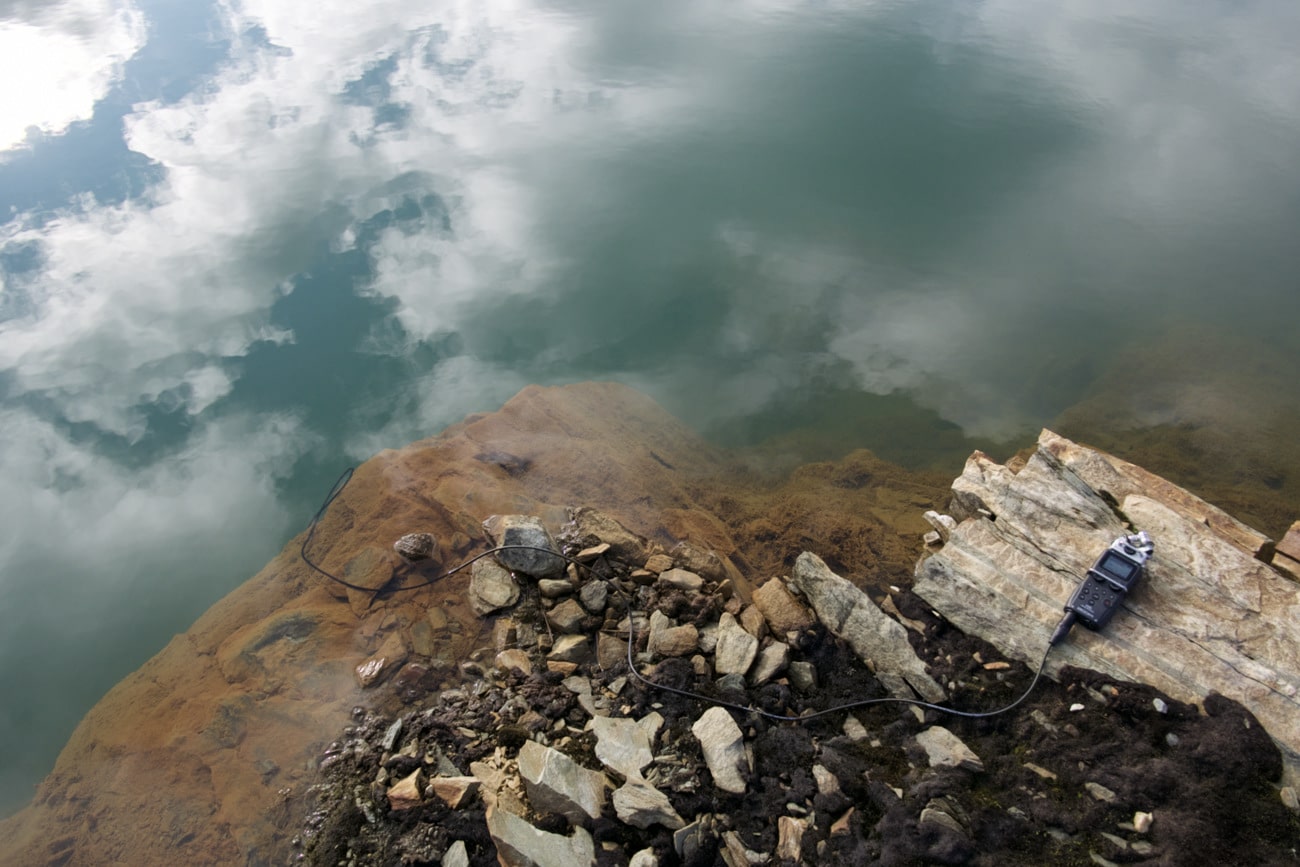
After 20 years of copper mining, the open-pit mine was finally declared unprofitable and abandoned in 1988. Since the site was contaminated with heavy metals and sulfur—waste products considered impossible to handle safely—its cavities and voids were filled with sand from the enrichment process, while the now-defunct lake was filled with fresh water. To be left as is, unprofitable and untouchable, for the foreseeable future. But discussions and efforts to reopen the mine have recently begun. Various companies have conducted test drilling for additional minerals, constantly prospecting—all in line with the new “green” transition.
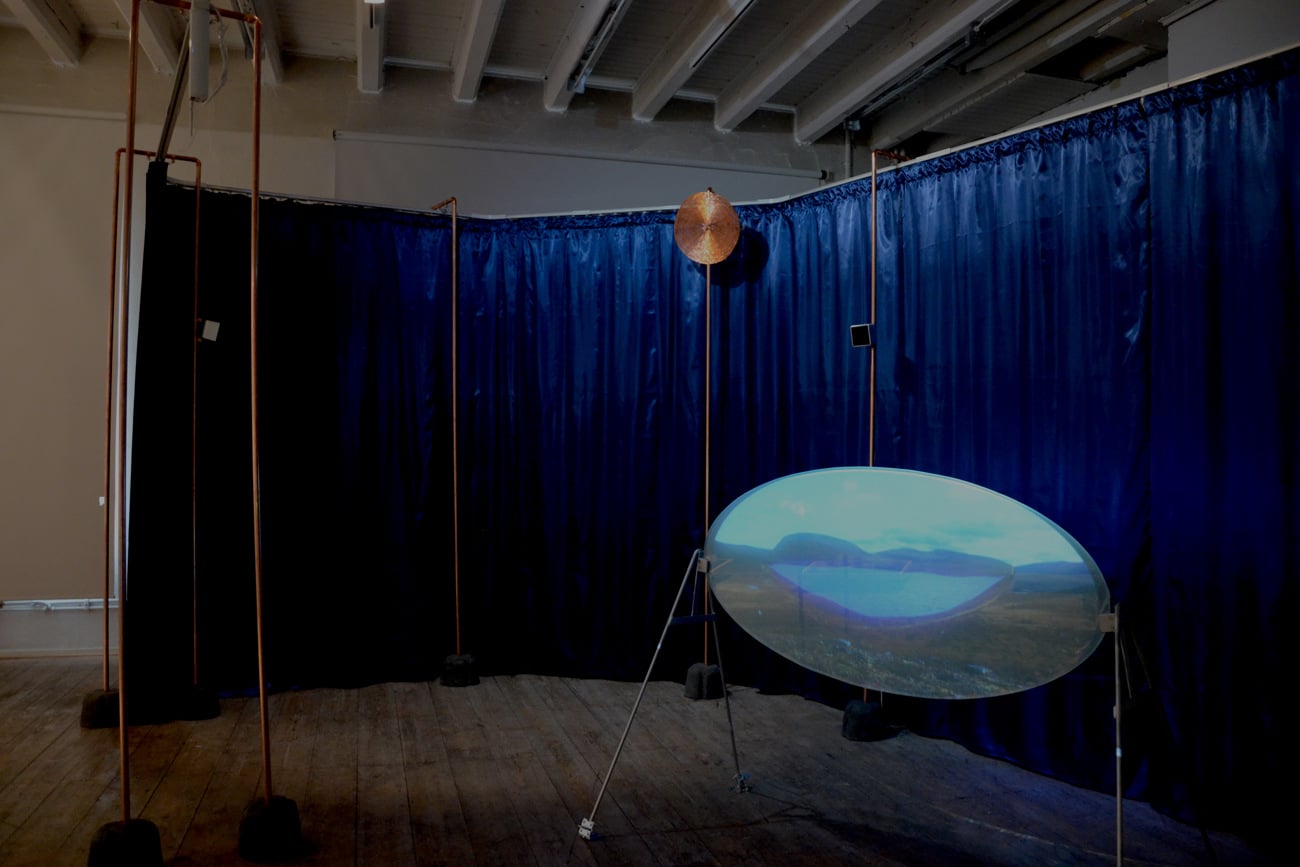
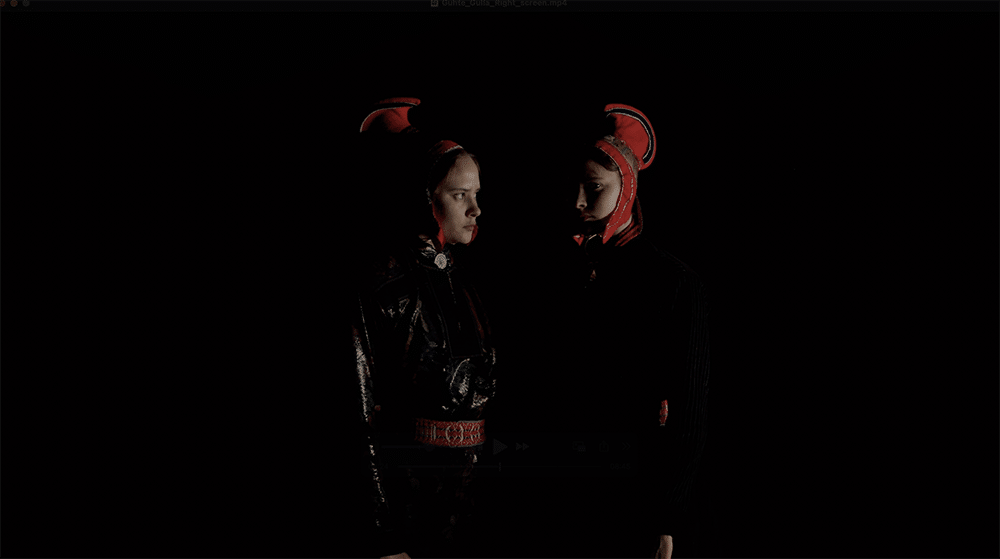
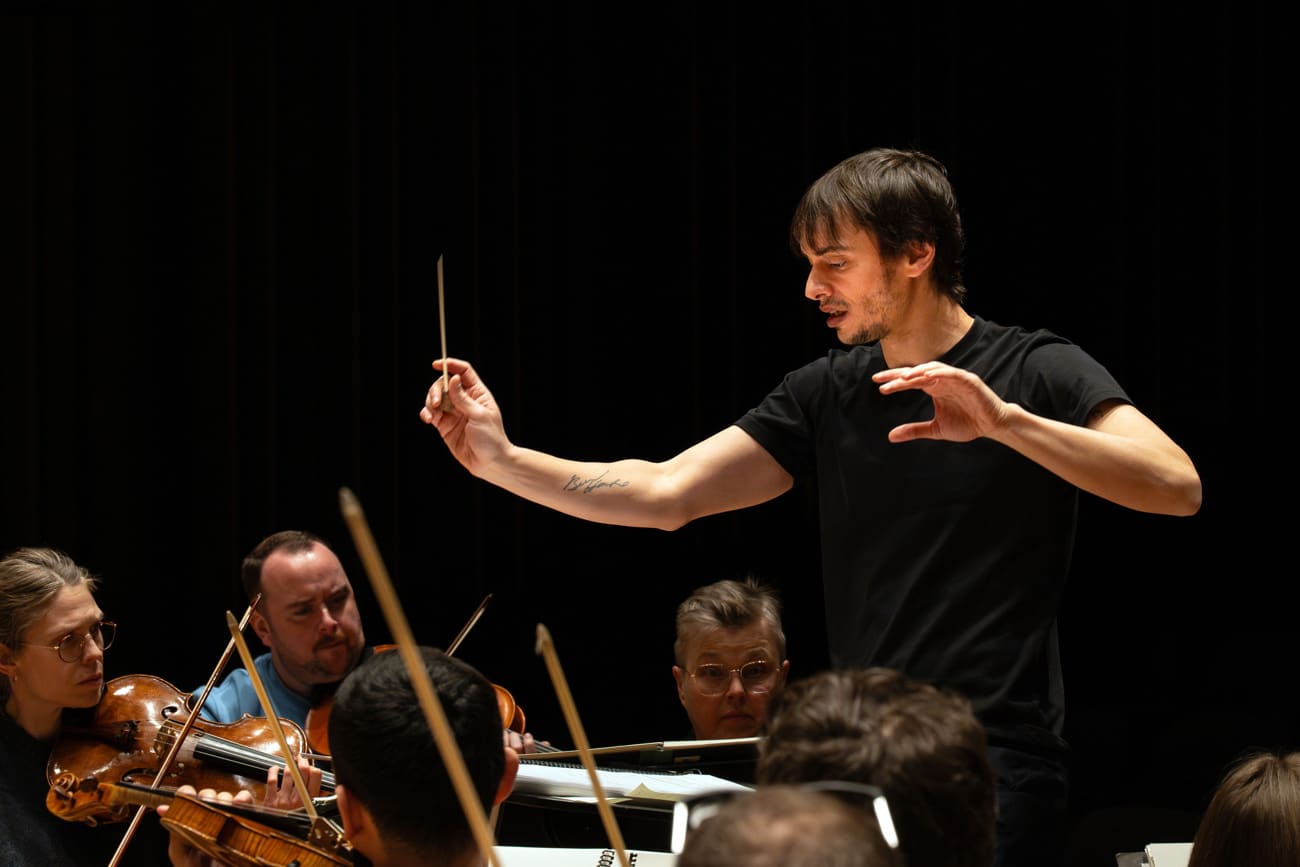
In tms’s installation, the fate of Stekenjokk’s mine lake becomes a story about short-sighted resource extraction processes, but also a contemplation of the concept of closure—how little power we have over it and how it can extend into, and through, time. The Mine Lake, Berganden, and the Horizon play with the idea of a farewell performance and invite the audience to a concert featuring the song “End of the World” by Arthur Kent and Lydia Dee (1960), with the three key elements: the lake itself, the looming horizon, and the spirit of the mountain—extracted as resources and transformed into pipes and conduits that carry the water onward. The mine pit lake opens its mouth in song, while the horizon and the spirit of the mountain hum along.
English
Gruvsjön, Berganden, and Horisonten (“The Mine Pit Lake, the Mountain Spirit, and the Horizon”) draws inspiration from the history and fate of a mine pit lake in the Stekenjokk region in the mountains of Västerbotten and Jämtland. After being used for 20 years to mine copper, the mine pit was ultimately declared unprofitable and abandoned in 1988. Since the site was contaminated with heavy metals and sulfur—waste products deemed impossible to dispose of safely—its hollows and cavities were filled with sand from the beneficiation process, while the cooling lake on top remained filled with fresh water. It is left as it is—unprofitable and untouchable—for the foreseeable future. However, there have recently been discussions and efforts to reopen the mine. Various companies have been conducting test drilling for additional minerals as part of the ongoing search for more resources, all in line with the new “green” transition.
In tm’s installation, the fate of the Stekenjokk mine pit lake becomes a story about the nature of short-sighted resource extraction processes—yes—but also a contemplation on the notion of endings: how little power we have over them and how they can stretch out in, and through, time. Playing with the idea of a farewell show, *Gruvsjön, Berganden och Horisonten* presents a musical performance of the song “End of the World” by Arthur Kent and Lydia Dee (1960), featuring three key actors in the story of Stekenjokk: the lake itself, the looming horizon above it, and the spirit of the mountain—which has been extracted as resources and shaped into pipes and wires that carry the water away. The mine pit lake opens its mouth in song, while the horizon and the mountain spirit hum along.
About tm
tm (Tove Möller, b. 1986) is based in Gothenburg and holds a master’s degree from the Royal Institute of Art (2022). tm’s practice revolves around ideas of collecting, listening, and imagining from a perspective of care, kinship, and queering. Through performative sculptures, sound installations, and spatial works, tm explores conflicts surrounding what it means to be human, drawing on places, memories, and non-human phenomena—all with the aim of creating new, living contexts and perspectives.
www.tm3000.se