Close to the audience
The Nordic Chamber Orchestra is driven by a belief in the power of music and its potential to create unforgettable experiences. Our strength lies in our ability to connect deeply with you, the audience. Whether you love classical music or are curious about the very latest in contemporary art music, our goal is to create experiences that touch you deeply.
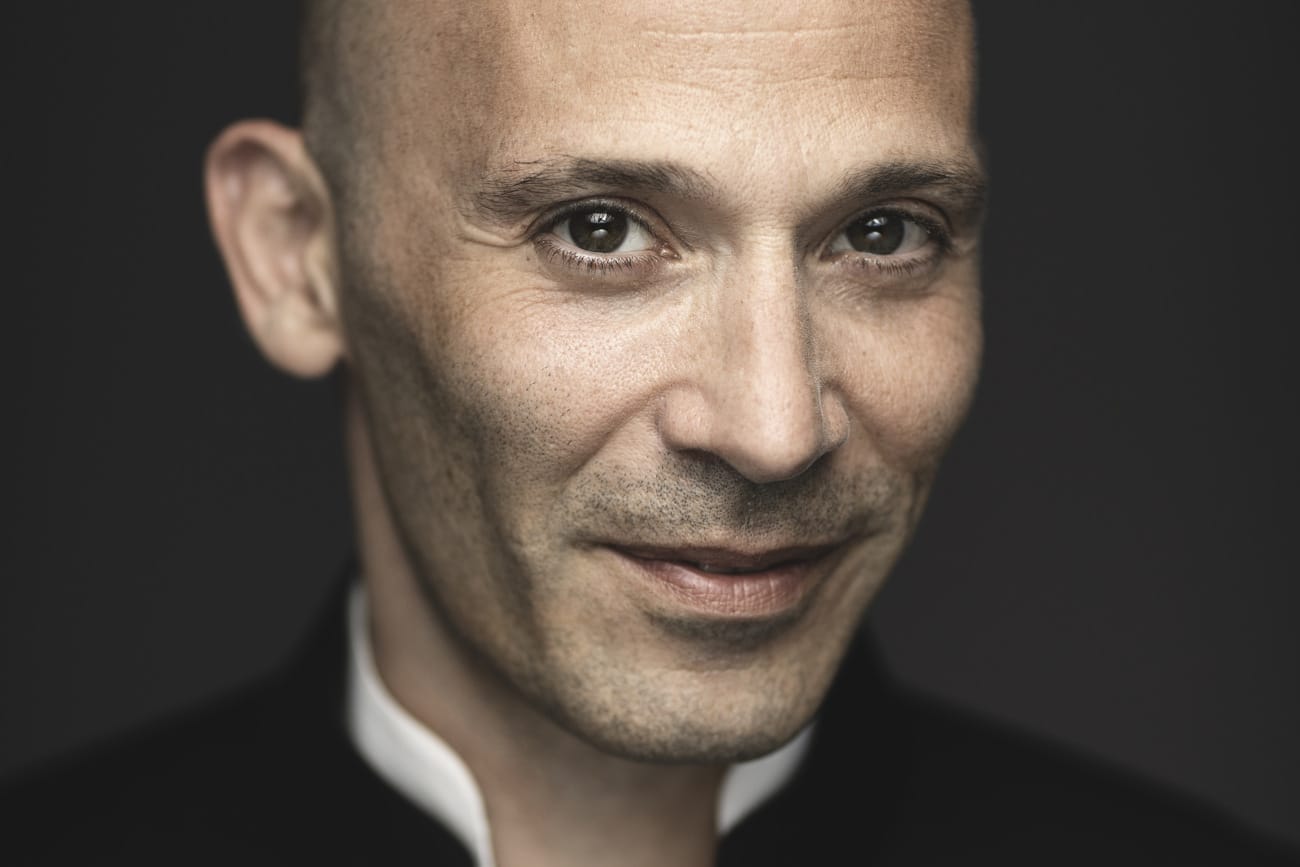
About Ariel Zuckermann
Conductor Ariel Zuckermann, born in 1973 in Tel Aviv, studied at the Stockholm College of Music and in Munich, and has appeared as a guest conductor with the London Symphony Orchestra, the Deutsches Symphonie-Orchester Berlin, the Tonkünstler Orchester, the Riga Sinfonietta, the Bayerisches Staatsorchester, the NDR Radiophilharmonie Hannover, the Sinfonieorchester Basel, the Luzerner Sinfonieorchester, the KBS Radio Orchestra Seoul, the Bremen Philharmonic Orchestra, the Vienna Radio Symphony Orchestra, the German Radio Philharmonic Orchestra, the Orquesta Filarmónica de Gran Canaria, the Taipei Symphony Orchestra, the chamber orchestras of Zurich, Basel, and Stuttgart, the Camerata Salzburg, and the Danish Radio Symphony Orchestra. He is currently the music director of the Israel Chamber Orchestra.
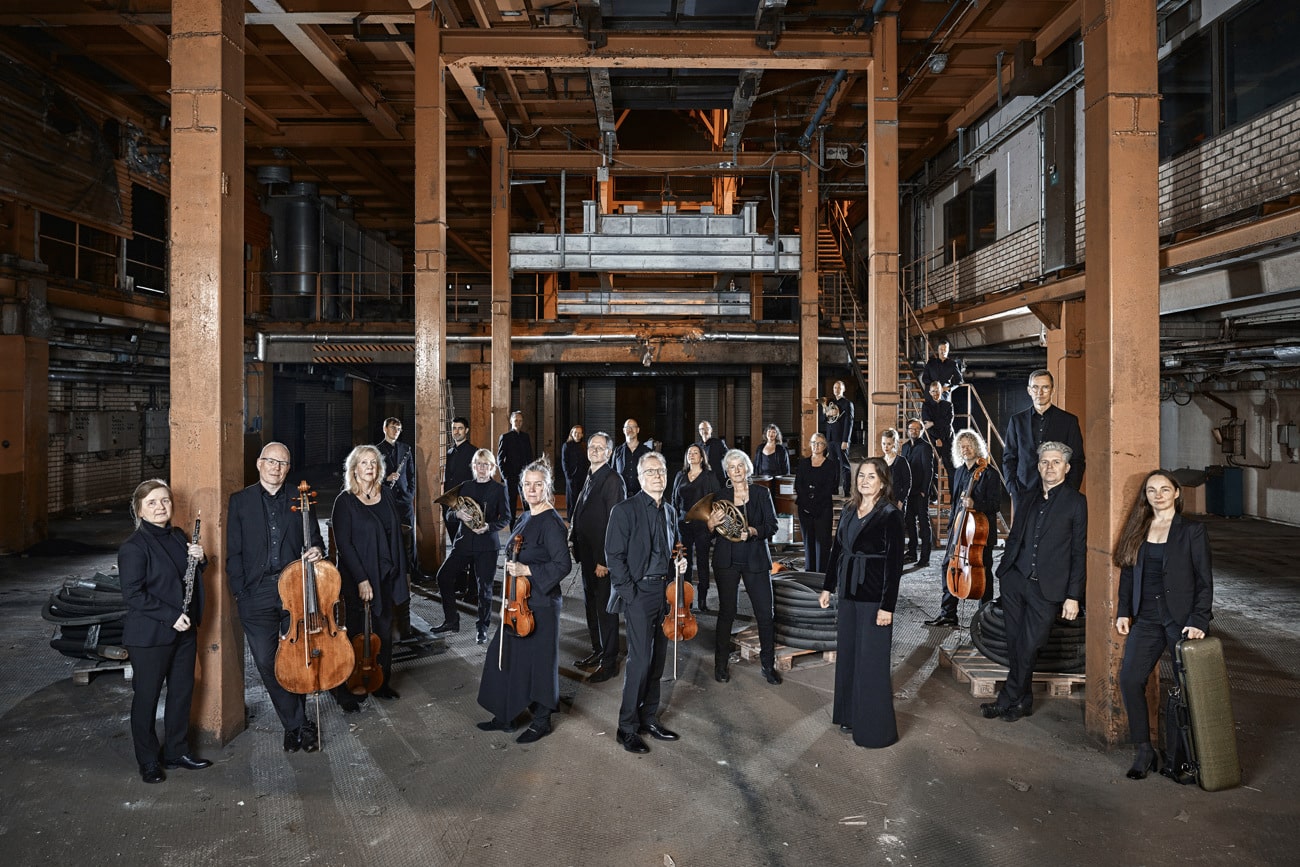
Nordic Chamber Orchestra
The Nordic Chamber Orchestra was founded in 1990 and consists of 35 musicians. Based in Sundsvall, the Nordic Chamber Orchestra performs throughout Västernorrland and also tours nationally and internationally.
Joseph Haydn
, Symphony No. 88 (4 movements)
Haydn’s Symphony No. 88 in G major is one of his most frequently performed and beloved works. Haydn composed this four-movement symphony in 1787, while in the service of Prince Nikolaus Esterházy, and it embodies both elegance and humor. The first movement begins with a slow introduction, as if Haydn were deliberately holding back the energy that is about to explode with full force. When the next, slow movement takes over, it does so with a restrained sense of joy that soon bursts into drama. In the third movement, Haydn develops the main theme in ingeniously orchestrated passages before the final movement grandly concludes the symphony with a spirited dialogue between the winds and strings.
Mieczysław Weinberg
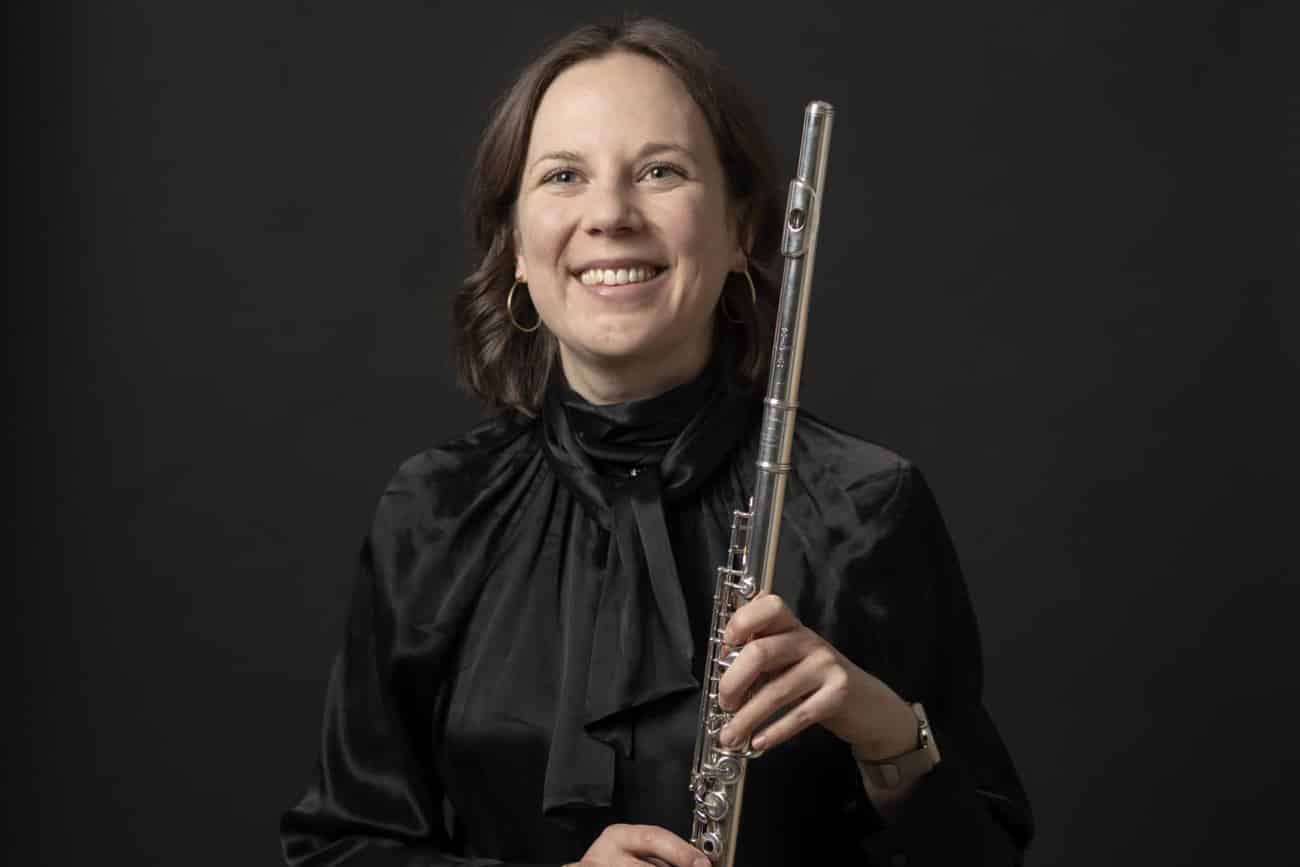
: Flute Concerto No. 1, Op. 75 (3 movements)
The Polish-born composer Mieczysław Weinberg (1919–1996) has truly gained increased international attention and appreciation in recent decades. His Flute Concerto No. 1, Op. 75 (1961), is an example of his clear and refined formal and tonal language—not unlike that of his friend Shostakovich. The work has three movements: Moderato, Allegretto, and Adagio–Allegro. When discussing both Weinberg and Shostakovich, one sometimes speaks of an expression that carries underlying, secondary emotions. Perhaps as a hint—like a streak of melancholy beneath the cheerful and rhythmically driving façade, or a gnawing unease that disrupts an otherwise serene atmosphere.
Johannes Brahms
: Serenade No. 1 in D major, Op. 11 (6 movements)
Serenade No. 1 in D major was one of Brahms’s earliest works for orchestra. He began work on both this serenade and the second one after Robert Schumann’s death in 1856. The serenades were his way of honing his craft in preparation for composing symphonies—his goal was to reach Beethoven’s level of symphonic art—and when the first serenade was completed in 1858, he sent it to Clara Schumann, who was very enthusiastic about it. Today, the serenades are not performed as often as Brahms’s symphonies, but with a total playing time of about 45 minutes, the First Serenade definitely possesses the same symphonic qualities as the symphonies. It is a highly Romantic work in six movements, in which sparkling melodies take shape against the backdrop of a magnificent orchestral sound that blossoms with full force.
Before Your Visit
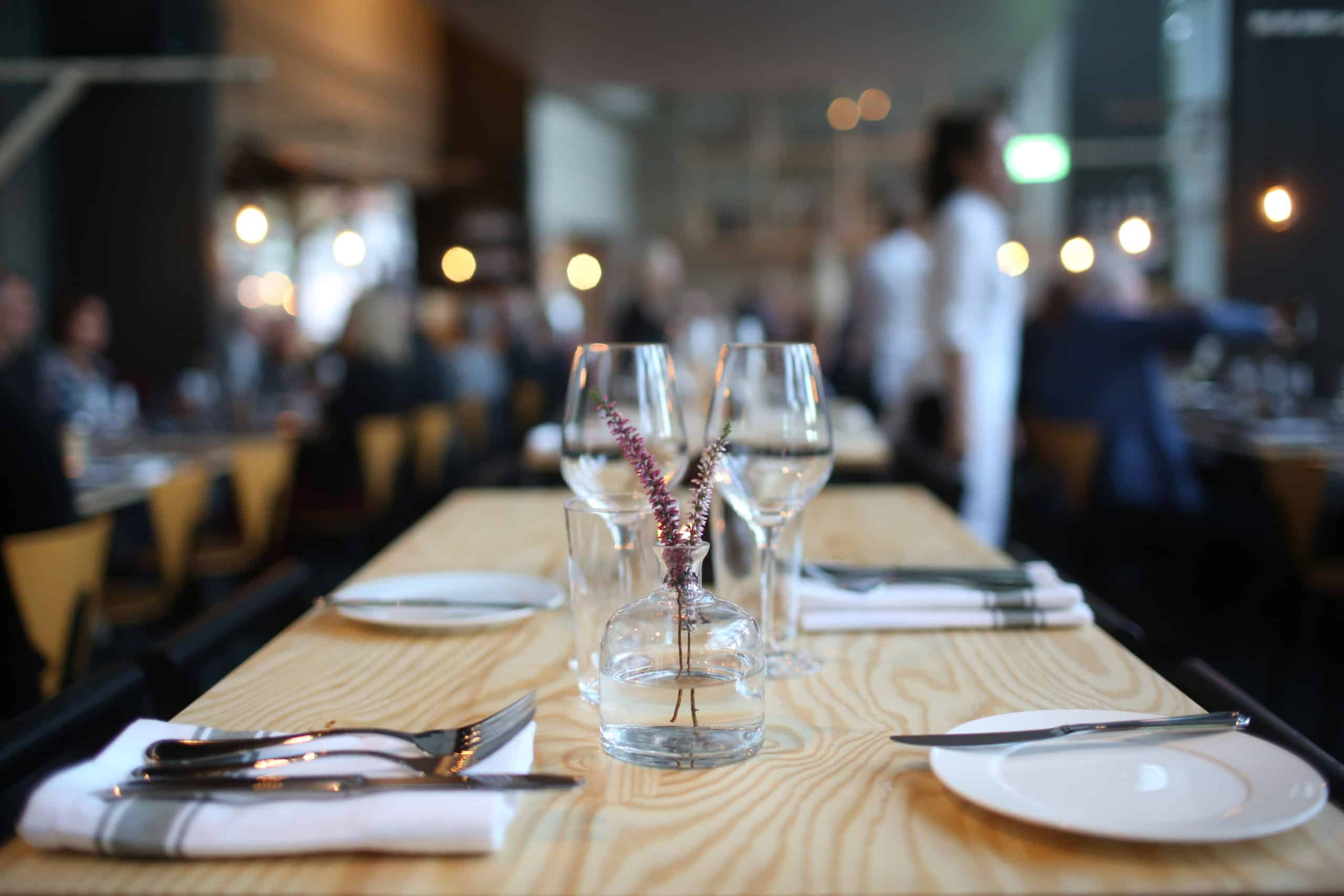
The Norrlandsoperan experience extends beyond our auditoriums. You can pre-order food and drinks to enjoy during intermission. Our catering partners from Gotthards Krog, Kajen, and Kulturbageriet do everything they can to enhance your visit to the Norrlandsoperan with a selection of snacks, pastries, coffee, soft drinks, wine, sparkling wine, and beer.
Discover more