Mini-opera and music by Jewish composers
This year, 250 years of Jewish life in Sweden are celebrated by actors throughout the country. This evening, the Norrland Opera presents Brundibár – a mini-opera for children and music by Jewish composers.
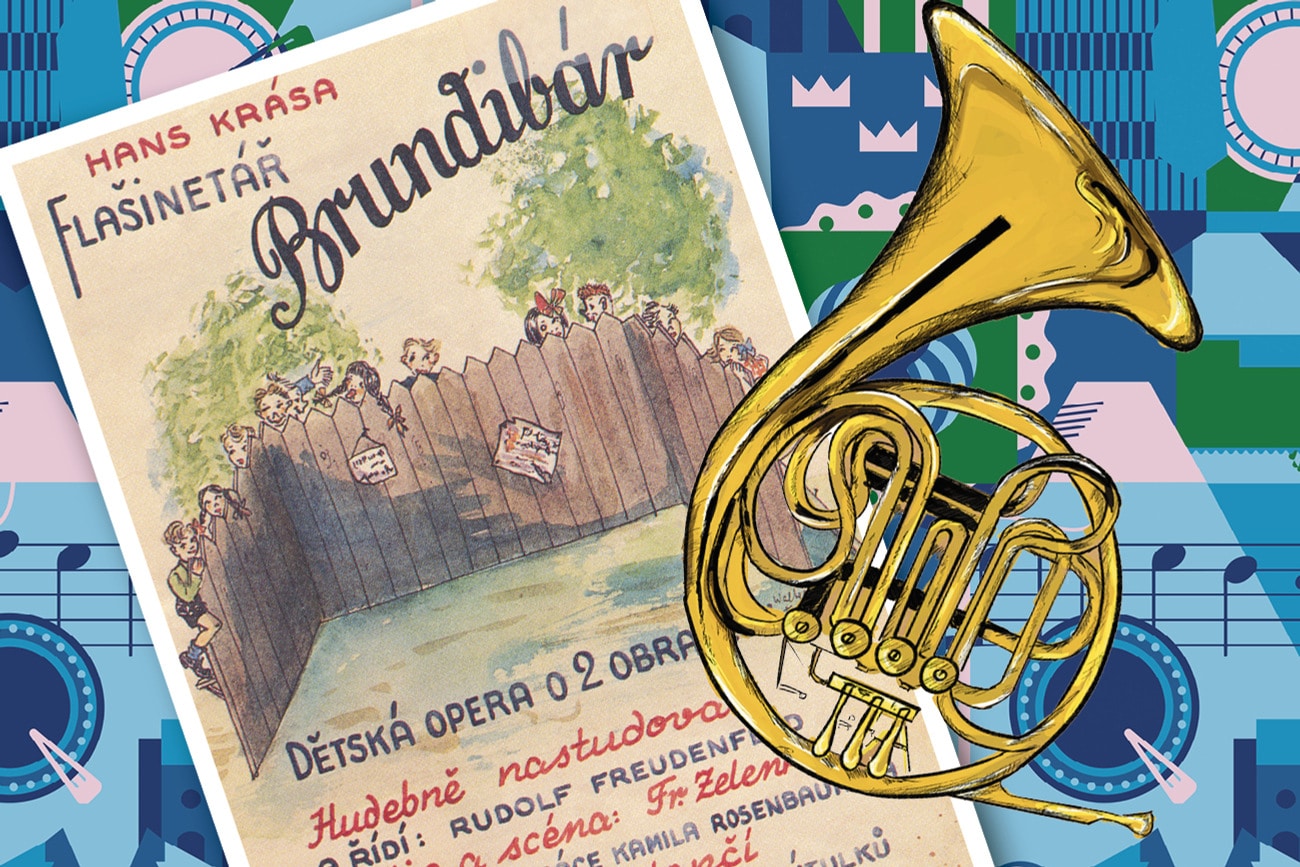
The mini-opera Brundibár
During this concert, before intermission, we meet Hans Krása’s Brundibár – mini-opera for children, written in 1938 in Prague. The plot is as simple as it is heartwarming. Its circumstances are the darkest. The opera was staged for the first time in 1942 in a Jewish orphanage in Prague before both the author and several of the child actors are deported to the Theresienstadt concentration camp. After two months of rehearsals there, constantly interrupted by the children who participate being taken to other concentration camps and replaced by new arrivals, it is in September 1943 that Brundibár – in Theresienstadt is premiered. The performance is performed 55 times and when the camp is to be shown as a “model ghetto” for Red Cross personnel in the spring of 1944, the Nazis also make a propaganda film in which the opera is included. The film can still be seen today on YouTube; The Führer has given the Jews a town.
On October 16, 1944, Krása is deported to Auschwitz-Birkenau. He is gassed to death two days later.
In Memoriam and Appalachian Spring
Act 2 continues with music by Ernst Bloch. Ernst Bloch (1880–1959) was a Swiss-Jewish composer, a citizen of the United States since 1924. As a composer, Bloch sought to create a national Jewish art music. In doing so, he has been more associated with Jewish psyche and character than with folk music. He has a rhapsodic free musical language. In 1952 he composed the piece In Memoriam , which he dedicated to the pianist Ada Clement, who died the same year.
The evening ends with Appalachian Spring, ballet by Aaron Copland. Copland was born in 1900 in Brooklyn, New York to Jewish immigrants from Lithuania. The work was composed in 1943–44 for the American dancer Martha Graham and won Copland the Pulitzer Prize in 1945 as the best stage work of the season. The ballet depicts a settler environment in the mountains. A young man marries and settles and the settlers come to congratulate and bless the house. This takes place on a spring day in the early 1900s. The music is largely based on Native American and European folk music, dance melodies and hymns, and consists of eight parts that are played in sequence. The seventh part consists of variations on a melody that Copland has taken from the religious sect Shakers.
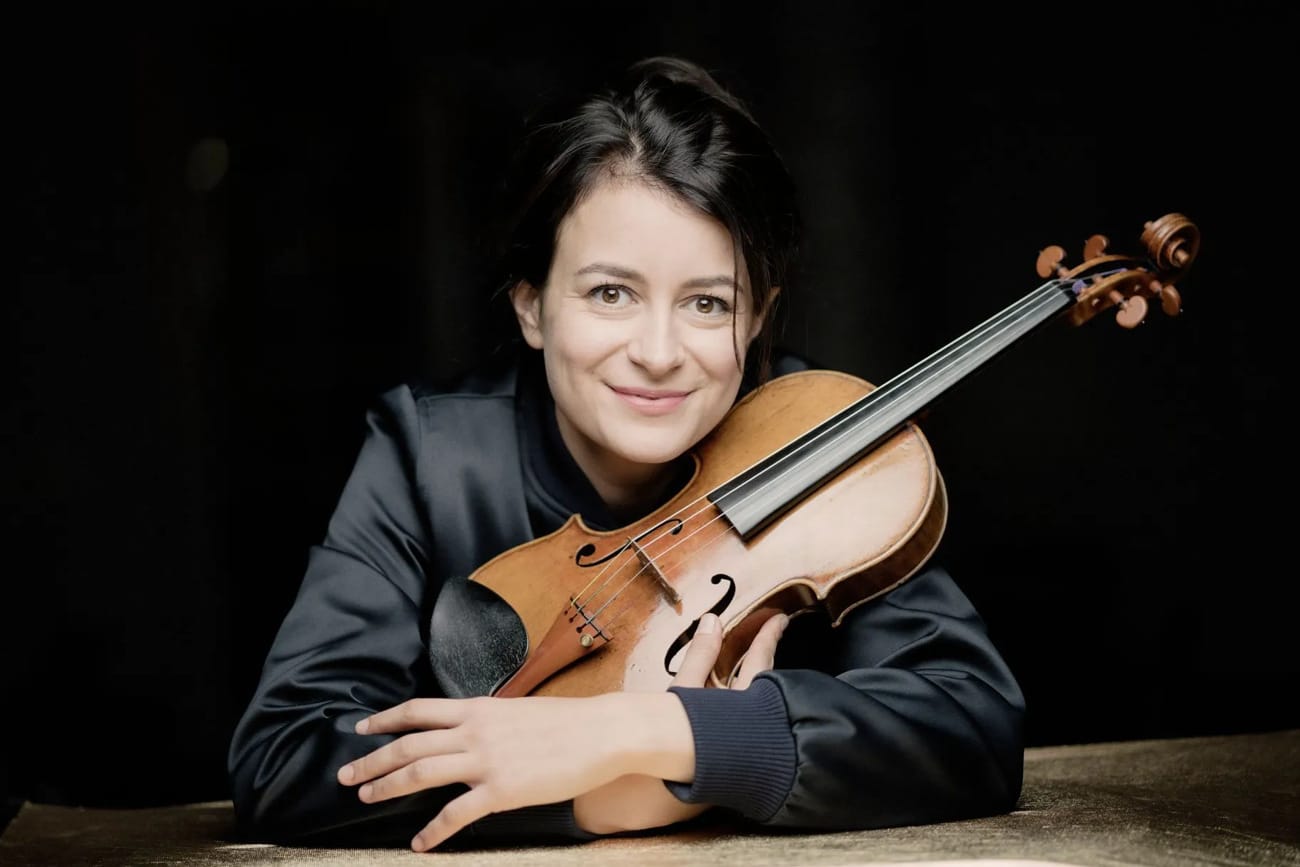
Compere Sofia Berg-Böhm
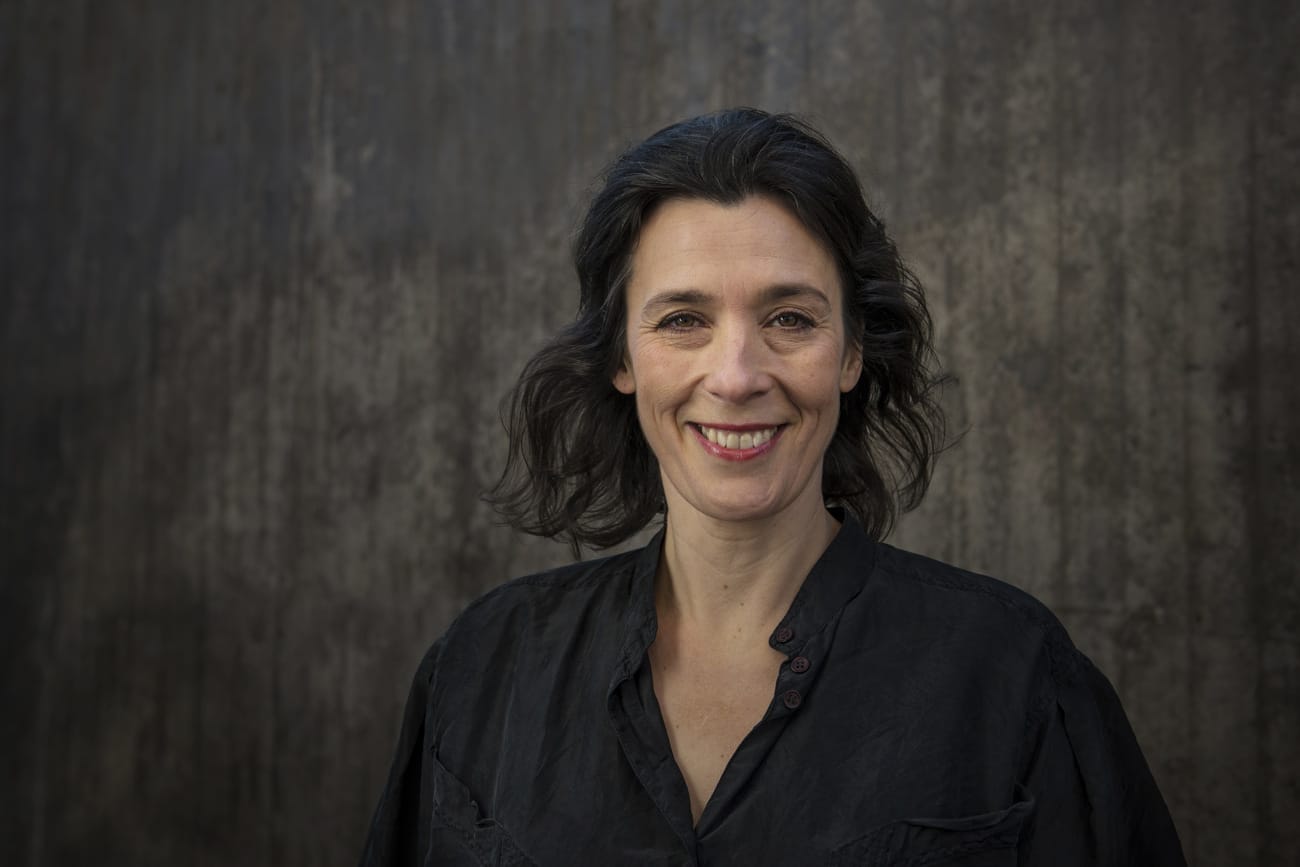
The evening’s master of ceremonies is Sofia Berg-Böhm, actress and singer with Swedish-Jewish roots. In addition to being the evening’s cicerone, she will also sing in Yiddish together with the symphony orchestra, both traditional Jewish folk music as well as music by Georg Riedel.
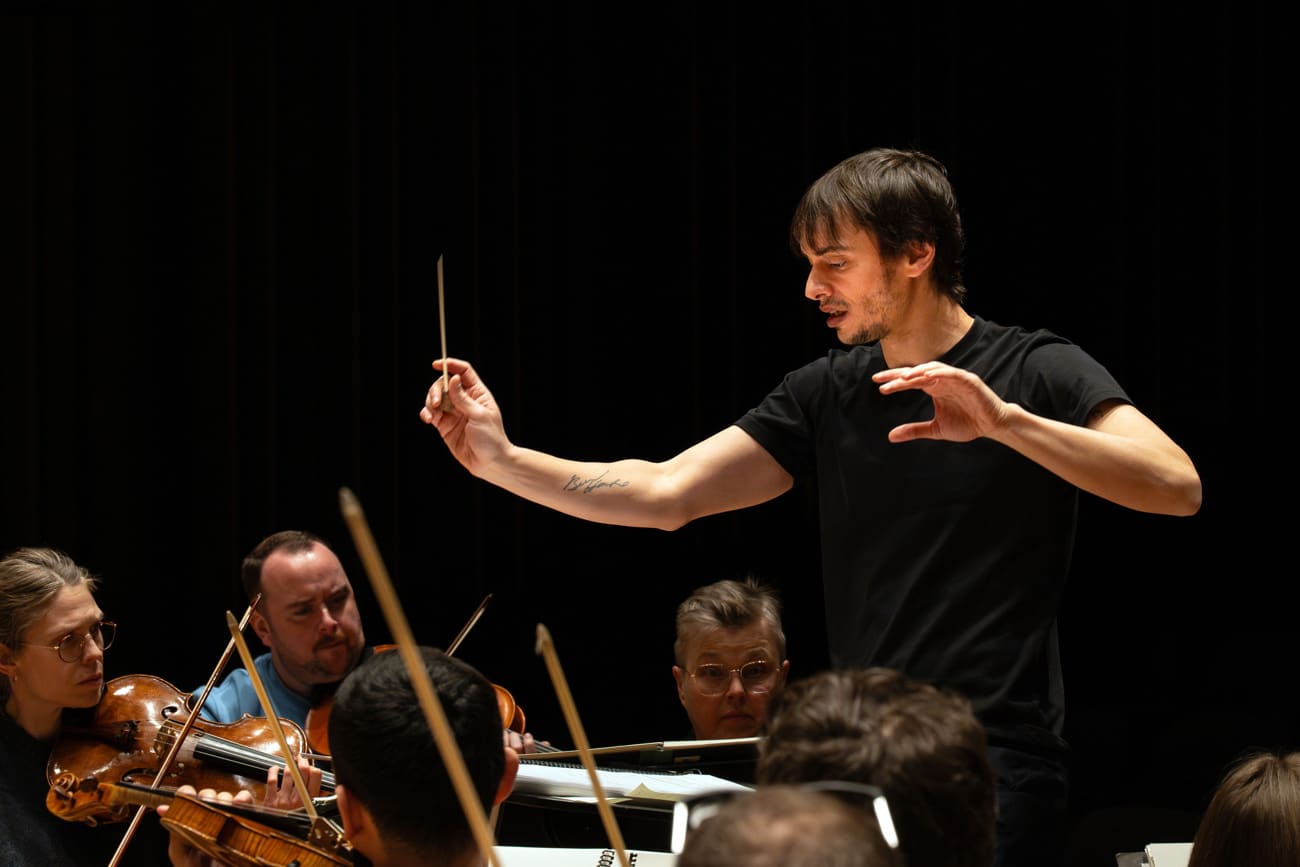
Conductor Magnus Larsson
Magnus Larsson, born in Denmark in 1992, began his musical career as a violinist and pianist. At the age of 21, he turned his passion to conducting and has since developed a distinguished career in orchestral music.
His artistry has been recognized with several prestigious awards, including the Carl Nielsen Talent Prize (2022), the Léonie Sonning Talent Prize (2020) and the EMA’s first prize at the International Opera Conductor Competition in Prague (2017). He has also received the career scholarship The Young Artistic Elite from the Danish Arts Foundation (2020) and Arne Hammelboe’s travel grant (2021) from the Danish Conductors’ Association.

Cast and Program
Cast
Conductor
Magnus Larsson
Emcee
Sofia Berg-Böhm
The Norrlands Opera Symphony Orchestra
Director Brundibàr
Sara Ribbenstedt
Soloists
Ella Vahtras, mezzo-soprano
Jenny Viklund, soprano
Markus Schwartz, bass-baritone
Children’s Choir Director
Charlotte Kuisma
Norrlandsoperan’s Children and Youth Choir
Program
Hans Krása: Brundibár, 25 min
Intermission, 30 min
Ernest Bloch: In Memoriam, 5 min
Georg Riedel: Schloft Ale, 5 min
Thread.: Öfn veg shteyt á boym, arr Benjamin Staern, 5 min
Aaron Copland: Appalachian Spring, 25 min