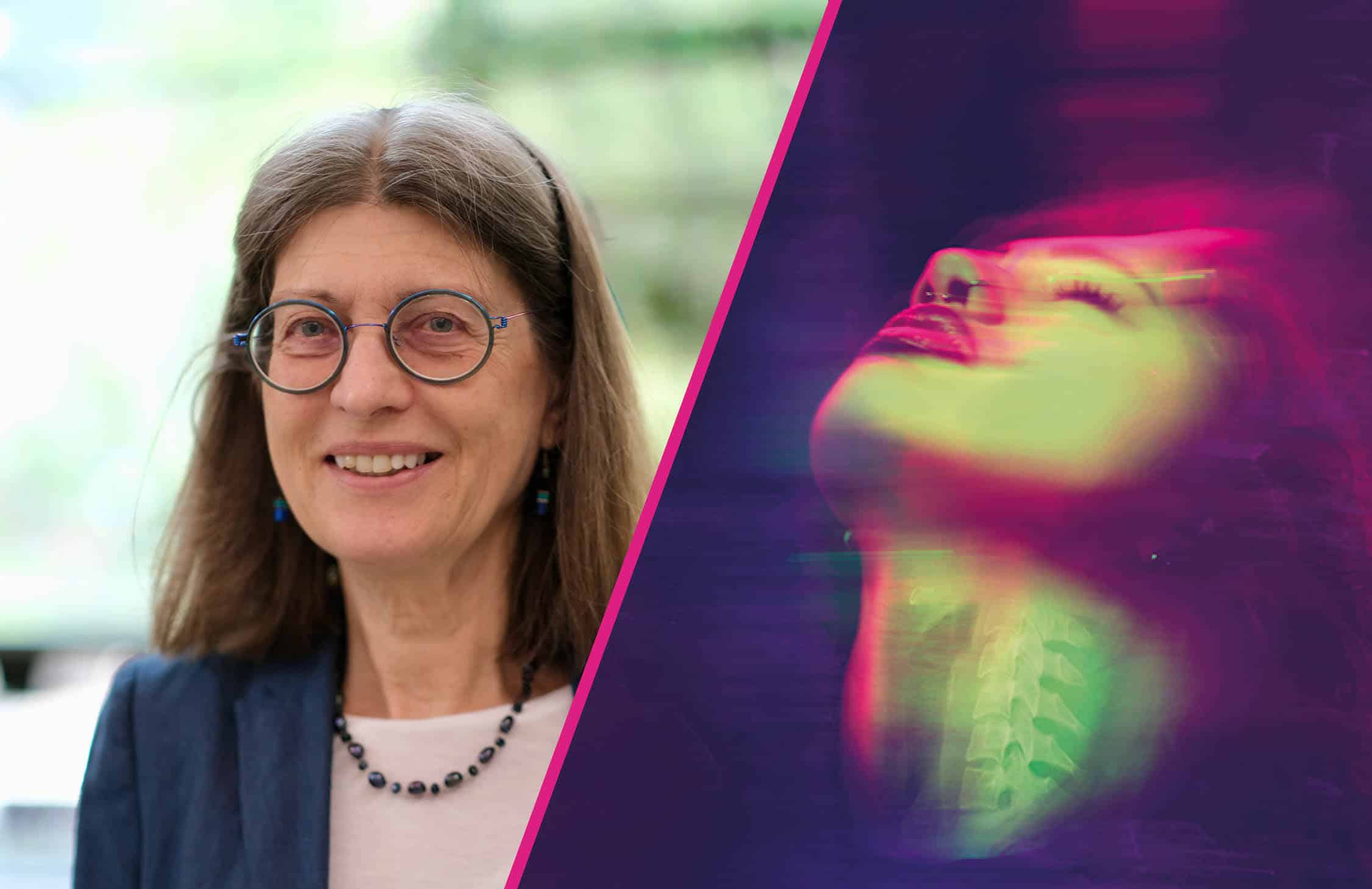
Susanne Lundin is a professor emerita of ethnology at Lund University and a member of the Royal Swedish Academy of Sciences. In her research, she sheds light on what is happening in the gray areas of healthcare and in the shadow of the pharmaceutical industry.
As a cultural studies detective, she has, among other things, investigated the illegal organ trade, which in turn has led her to counterfeit medications.
A Western patient who illegally purchases a kidney from an unknown donor—a poor boat refugee, for example—may subsequently be treated with ineffective medications. The result: the kidney is rejected.
Another example is the counterfeit malaria medications sold in enormous quantities on the African continent.
“Few people realize that the market for counterfeit medicines is larger than the international drug market.”
But crime is by no means limited to the cynical exploitation of poverty and serious illnesses.
– Few people realize that the market for counterfeit medicines is larger than the international drug market. When you travel abroad, you might take the opportunity to buy various medications. Men sometimes buy Viagra, for example, without knowing where it comes from.
“But Swedes are also staying home and shopping online to a large extent. It’s important to know that 95 percent of online pharmacies are unauthorized. You should look for the Apoteket logo—the green cross—which links to the Swedish Medical Products Agency,” she says.
Criminal organizations are difficult to tackle. In such cases, it may be more effective to influence our attitudes, as the Swedish Medical Products Agency did in its information campaign about “counterfeit medications” last fall. Susanne Lundin believes that The Galloping Cure could also play a role here.
“We may have strong principles, but they can go out the window when we or our loved ones find ourselves in a bind.”
Artistically highlighting how society is infiltrated by cynical forces helps to awaken our critical faculties. Art, after all, has entirely different tools for reflecting on events and our human ambivalence, she argues.
– We may have strong principles, but they can go out the window when we or our loved ones find ourselves in a bind. Healthcare providers may also experience this ambivalence when it comes to their patients.
If you had the chance, what would you say to Teresa Hart, the doctor in the opera, at the beginning of the opera’s story?
– I’d advise her to talk to someone about her thoughts. Give her a little encouragement—she’s so very alone in her decisions.
“The Galloping Cure” will be performed in Umeå from September 12 to 23.
Learn more about The Galloping Cure hereSusanne Lundin and Mats G. Hansson will give lectures on the research that influenced *The Galloping Cure* on two occasions during the premiere week. Read more here.
Read more about the Performance Lecture hereThis collaboration with Susanne Lundin and Mats G. Hansson was made possible by the Riksbank’s Jubilee Fund—RJ Art and Culture, which also funded the Norrlandsoperan’s contribution to the co-production.