If we were to dig through your archive—which of your works would you like to highlight a little more?
– Wow, that’s a tough one! All of my works hold a special place in my heart. I’ve had so many enjoyable creative processes with wonderful teams—and, not least, encounters with the audience. Still, a few works perhaps stand out in that they’ve represented clear steps forward or shifts in my choreographic practice. I’d like to highlight *Dom ger tanken kropp* from 2003, which was the first time I worked from a queer perspective. It may also have been the first explicitly queer work in Swedish dance. *Kung Kristina*, a queer work for middle school students, caused quite a stir in 2005. *Bättre folk* (2006) took many by storm, and I actually believe that if anyone were to create a “dance canon” for Swedish contemporary choreography, it would be included there.
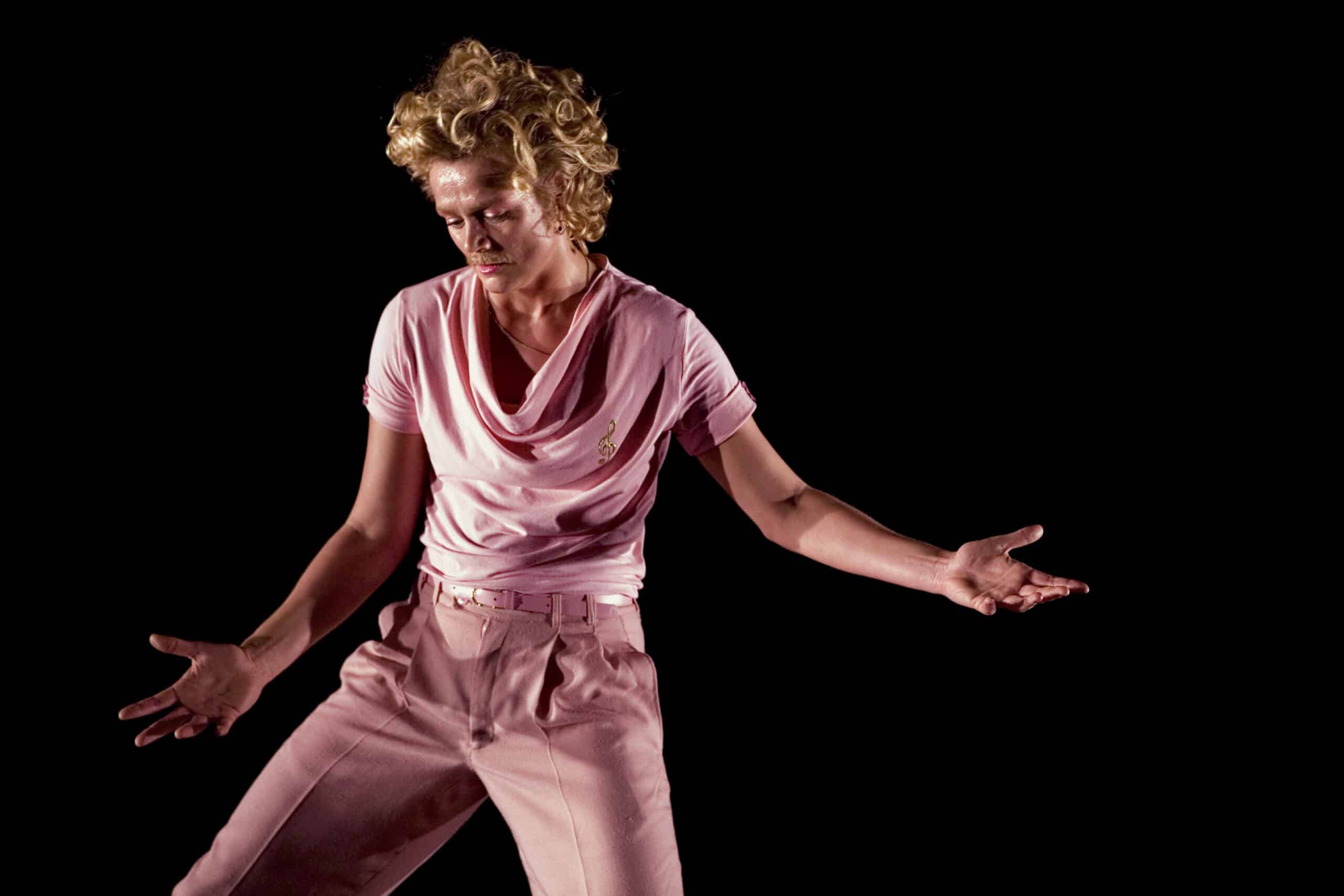
In 2008, Hagar Malin Hellkvist Sellén created *Rosa löften*, a co-production with the Norrlands Opera. A 20-minute excerpt from the work was performed at the Norrlands Opera’s 50th-anniversary celebration in 2024. Photo: Åse Bengtsson-Hellin
You’re currently working on your new piece, *Driv Hunger*. How has your approach to a project changed over the years?
– In the past, many people probably associated my work with clear themes, but that’s not always the case anymore. I became intrigued by the idea of seeing what happens if I approach the process with a more open mind. I think it’s a sense of security that comes with experience: I no longer feel stressed about the artistic process; I know I’ll see the work through to completion. That gives me more creative freedom—I don’t have to force anything and can trust the process and the craftsmanship that the dancers and I possess.
So where does the process begin?
– The title is incredibly important; it has to capture my interest—and hopefully that of the audience as well—and raise questions. I usually say that the title is the first encounter with the work. I think “Driv Hunger” is an exciting title—concrete and mysterious at the same time—and its meaning isn’t immediately obvious. In this case, I didn’t come up with the title myself but borrowed it from a work by graphic designer Lina Nordenström.
“The people I choose to collaborate with—composers, lighting designers, dancers—also set the parameters for what the work will become.”
Is there a clear plan?
– I try not to plan too much before I go into the studio with the team. I want the piece to evolve together with the dancers, and I want to be open to wherever the process takes us. The people I choose to collaborate with—composer, lighting designer, dancers—also set the conditions for what the piece will become. For me, the artistic process is about being present and daring to embrace uncertainty.

“Driv Hunger ” premieres on November 13 at the Norrlandsoperan and will tour with Dansnät Sverige in the fall of 2026 and spring of 2027. Photo: Sofia Runarsdotter.
Umeå-based musician and composer Anna Levander—known, among other things, for her work with the band Dolce—is creating the music for *Driv Hunger*. How did this collaboration come about?
– We haven’t met before, so this will be our first collaboration, and I’m really excited about it. I reached out to Anna because I feel a connection with her. The interplay between choreography and music is important, and neither should feel subordinate to the other. It’s a joy to see the two forms of expression emerge together.
“Driv Hunger” is the third work you’ve created since you and your company moved back to Umeå three years ago, after more than two decades in Stockholm. What’s it like to work as a choreographer in Umeå compared to Stockholm?
– In a way, there isn’t much of a difference; the work is done the same way. I’ve also worked regularly in Umeå and Västerbotten throughout my entire career, so I’ve always had a foothold here. I’ve experienced many positive effects from living here, and I’ve found many great partners here, which is incredibly valuable. The challenge of working here is that I haven’t been able to apply for municipal or regional operational grants for dance, which has meant that the organization I run has been financially weakened by the move here. I want to be able to maintain a high level of artistic quality, so I’m hoping for changes in this area.
“Many dance artists are forced to leave the profession, and as a result, expertise and interesting artistic voices disappear from the field.”
Do you see any signs of progress there?
– A milestone over the past year has been Hemvisten —a workplace for professional dance artists located in the Folkuniversitetet facilities in the heart of town. Many of us have worked hard to make this space a reality. At Hemvisten, those of us who are members of Danscentrum Norr have studio and office space, and having this base makes a huge difference. Hopefully, Hemvisten will become a permanent solution for the professional dance community.
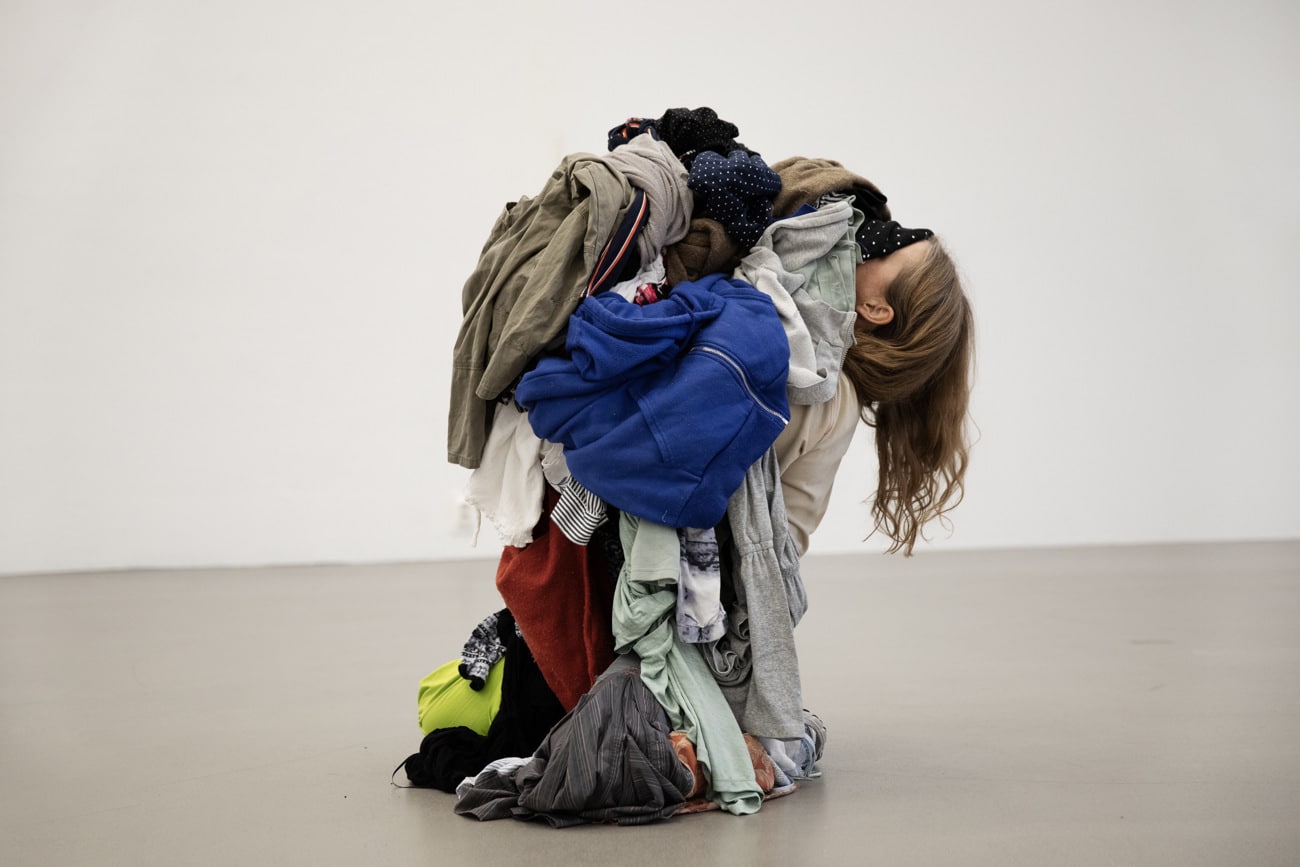
Hagar Malin Hellkvist Sellén’s *Vi rör oss mot slutet* was created as a choreographed exhibition for the Västerbotten Museum in collaboration with the Norrlandsoperan. Photo: Sofia Runarsdotter.
What are the general conditions for working in the field of dance in Sweden?
– These are challenging times for the arts. Many people are feeling the effects of budget cuts as the cost of living rises. Many dance artists are being forced to leave the profession, and as a result, expertise and interesting artistic voices are disappearing from the field—which ultimately affects the audience. At the same time, many of us are persevering and making ends meet as freelancers or within artist-run organizations operating on slim margins. I feel both gratitude and pride in my profession. We need a stronger cultural policy.
And from a local Umeå/Västerbotten perspective?
There is much that needs to be done to strengthen the infrastructure for dance in the county and to enhance dance artists’ opportunities to work professionally. The latter is incredibly important because it increases access to dance in the county. At the same time, I feel hopeful. I sense a growing momentum for the art of dance in Västerbotten right now. There are many of us who want to work toward change and improved conditions for the art of dance here. It’s an exciting time to be working out of Umeå.
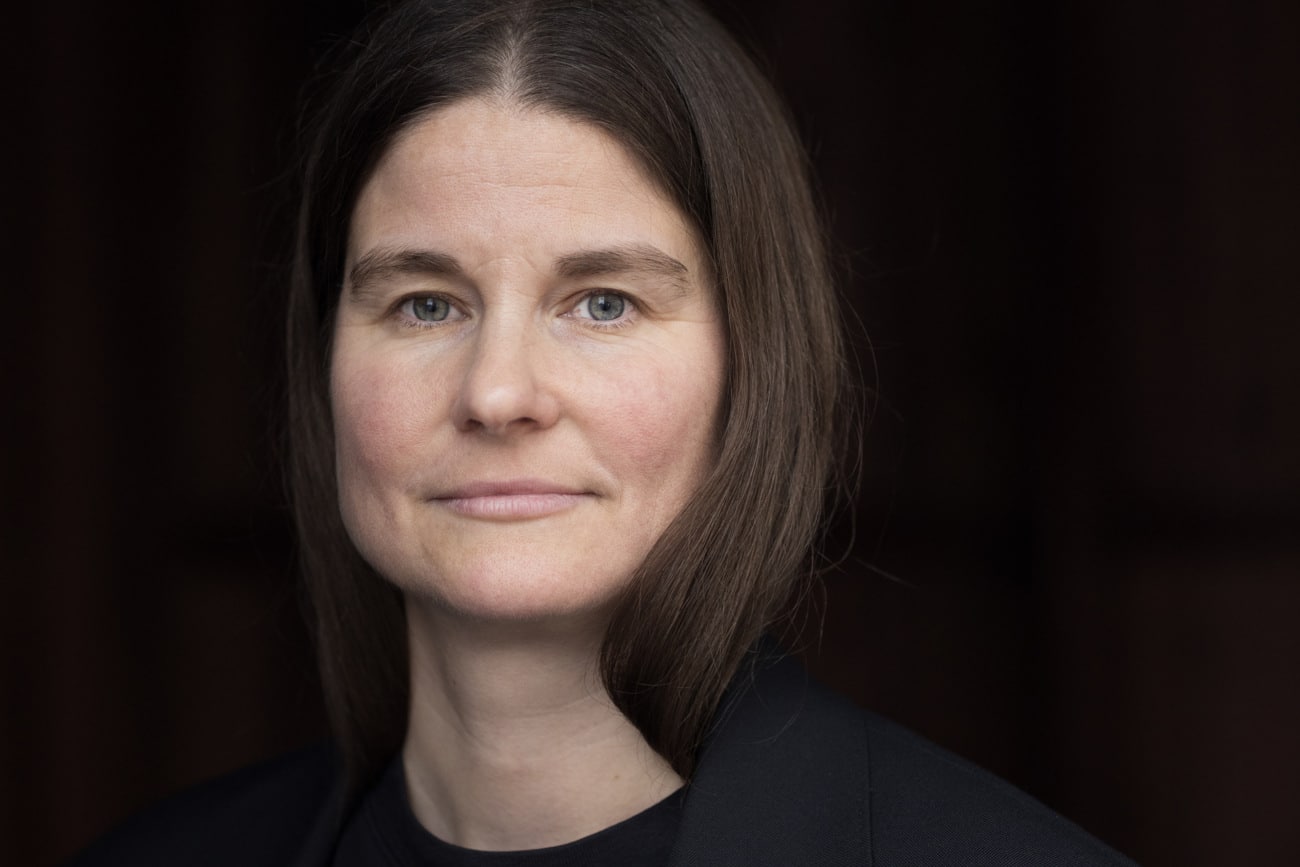
Hagar Malin Hellkvist Sellén
From: Umeå
Occupation: Choreographer
Current project: Celebrating 25 years as a choreographer with the new work *Driv Hunger*, premiering on November 13