When did you start working at the Norrlands Opera?
– The first time was probably in 1985 or ’86; I’ve been working here continuously since the ’90s. I first took the tailoring program with a focus on clothing technology in high school. A few years later, I took a course in textile aesthetics and did an internship at the Norrlands Opera during that time. It was fantastic—like falling in love. After that, they wanted me back when I finished my training.
What is it like to work at an opera house?
– It’s a dream job! I’ve tried to quit, but I’ve always wanted to come back. For example, I spent four years at the university earning a master’s degree in something completely different, but I longed to return here. The Norrlands Opera is such a fantastic place to work, and it’s an exciting profession where I’ll never stop learning. If you want to work with costumes, it’s very varied, and we never do the same thing twice. Sure, there are aspects that are similar, but there are constantly new challenges. Plus, socially speaking, it’s a very pleasant place. Norrlandsoperan is a dynamic workplace with such a wide variety of top-notch expertise across very different fields—everything from craftspeople and performers to administrative staff.
What does a costume designer do?
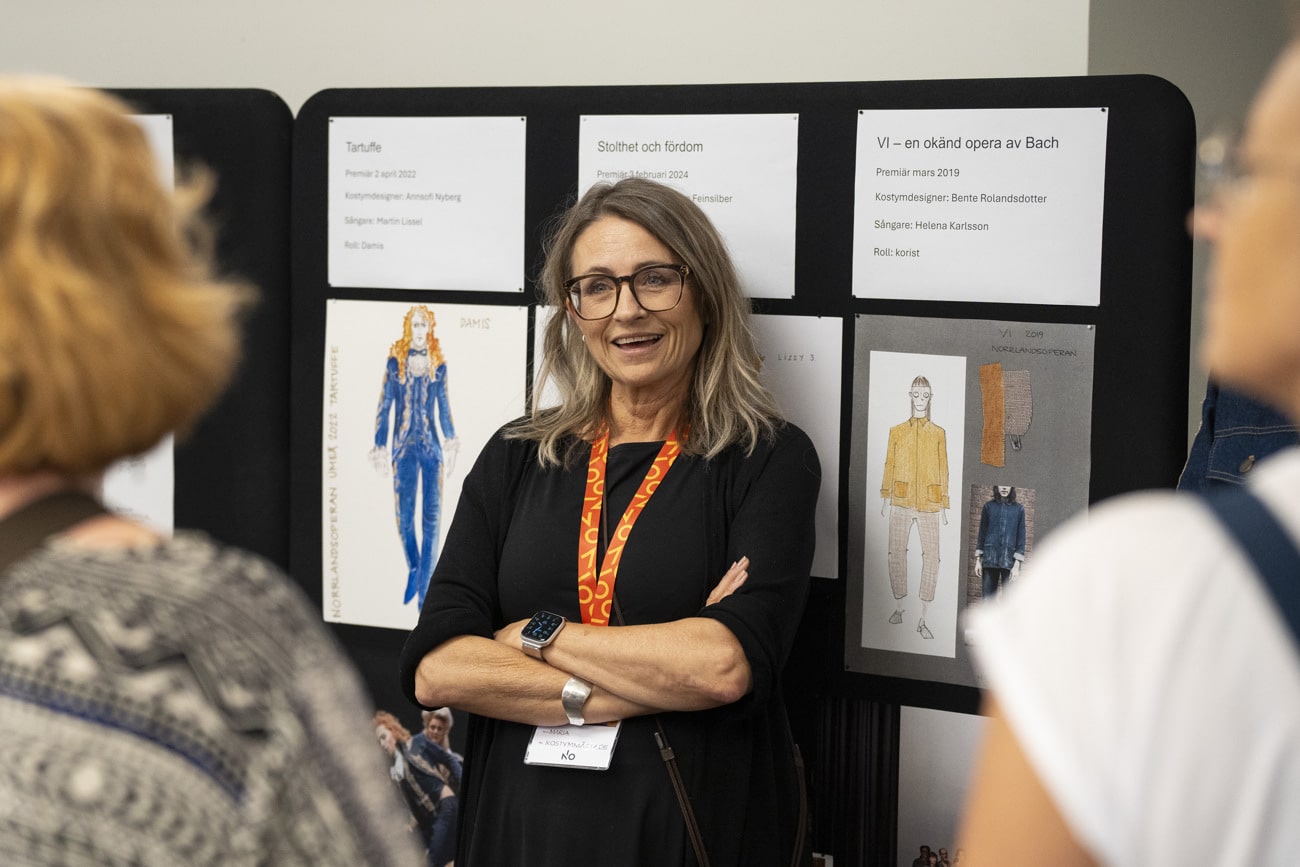
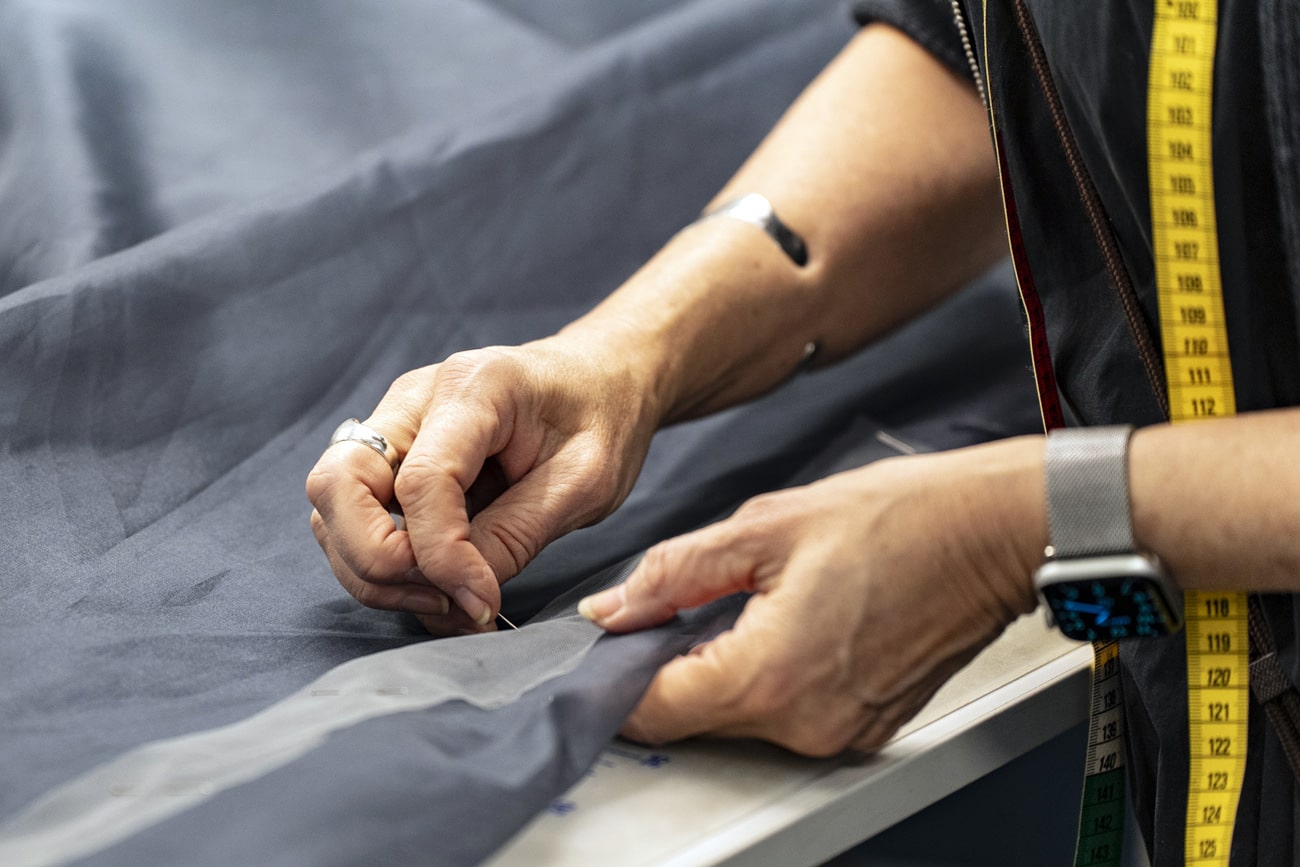
– I turn conceptual ideas into 3D reality. I bring the artistic team’s vision of environments and worlds to life. Sometimes we start with references to existing environments, but often it’s a combination of different environments or something entirely new. The costume designer is my point of contact on the artistic team, and my job is to bring their ideas to life. The costume designer sketches, paints, or creates some kind of 2D representation of the costumes that the singers, dancers, or performers will wear. My role is to bring them to life and ensure they also function properly.
My role is to create something that fits this diverse human body, so you could say it’s a kind of sculpture. We also work with many different materials—it’s not just textiles; it depends entirely on what we’re creating.
There are so many different aspects I need to take into account. One is, of course, the artistic concept and helping to enhance the production so that the audience is as completely immersed as possible. That’s why people go to the opera—to experience something entirely different that only happens there.
It’s just as important that what we do fits in with the rest—the lighting, the set design—and that the costumes are durable, too. The singers and dancers are so active that the clothes wear out both inside and out. They crawl on their knees and climb walls—they move around a lot. And since they’re my coworkers, I’m essentially making work clothes for them. Making sure they’re as comfortable as possible is part of my responsibility. Ultimately, the goal is to help enhance the performance so the audience can immerse themselves and have a meaningful experience.
What do you go through in the costume design process for an opera production?
– We plan well in advance. Of course, there’s a time factor and a materials budget to consider, and we have to scale the project so that it’s a reasonable size and feasible to carry out. But, of course, it’s very exciting when we receive the final concept from the costume designer. When we get to go through the sketches and discuss how the different roles should be expressed. It’s something new and exciting to dive into.
Besides, the people we make clothes for usually don’t live in Umeå either, so we need their measurements—which aren’t always accurate because people change. For example, someone might have started working out or become pregnant. We start making the costumes long before the premiere, so it’s always exciting the first time we actually meet them in person. It’s usually also the first time the costume designer meets these performers, so a lot can change during that meeting.
The next exciting moment is when we get to see it all on stage—with everyone, the lighting, and the set design. Then, once the premiere happens, our work is basically done. We get to see the audience’s reactions. The premiere isn’t entirely positive for us, because that’s when we leave the project and start something new, so it’s a little sad to say goodbye.
What’s it like to make costumes for the stage?
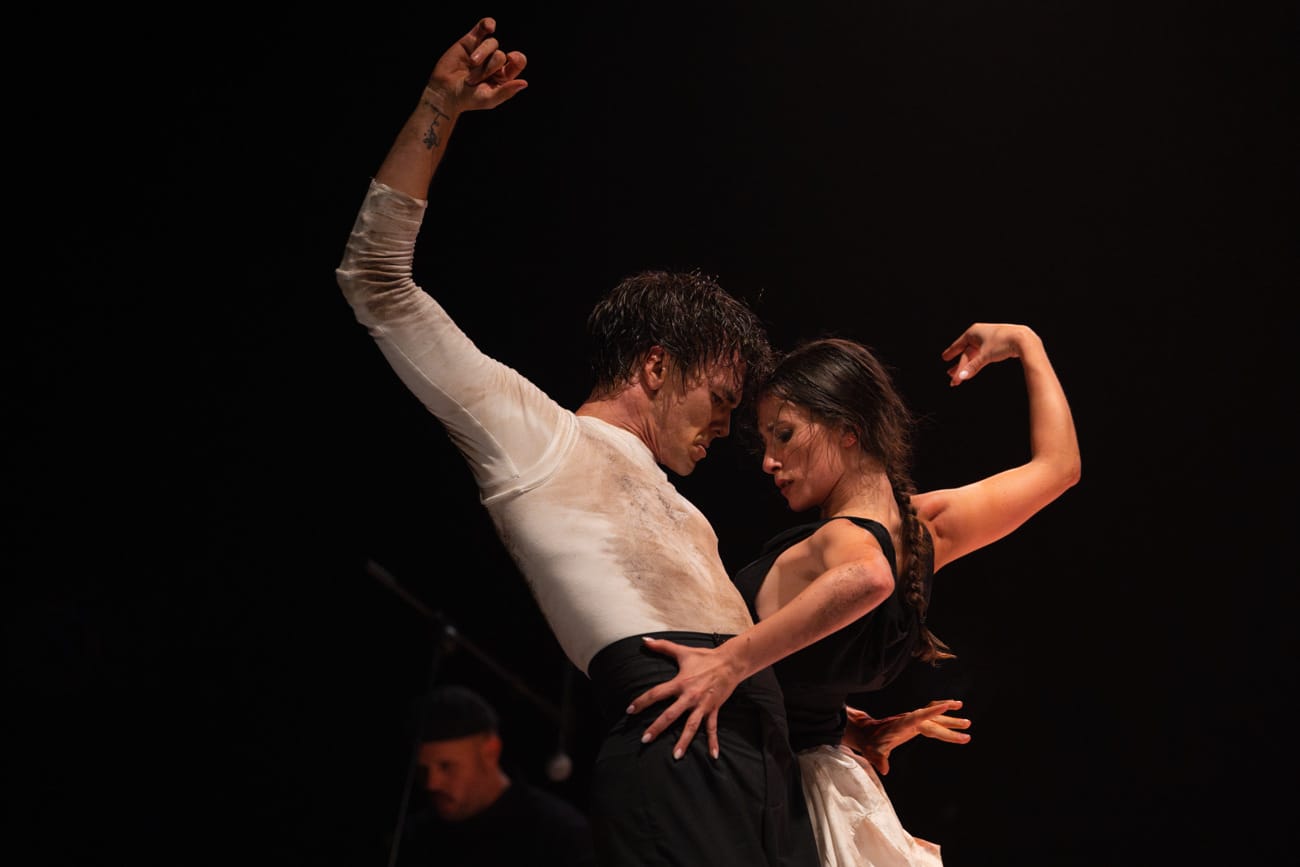
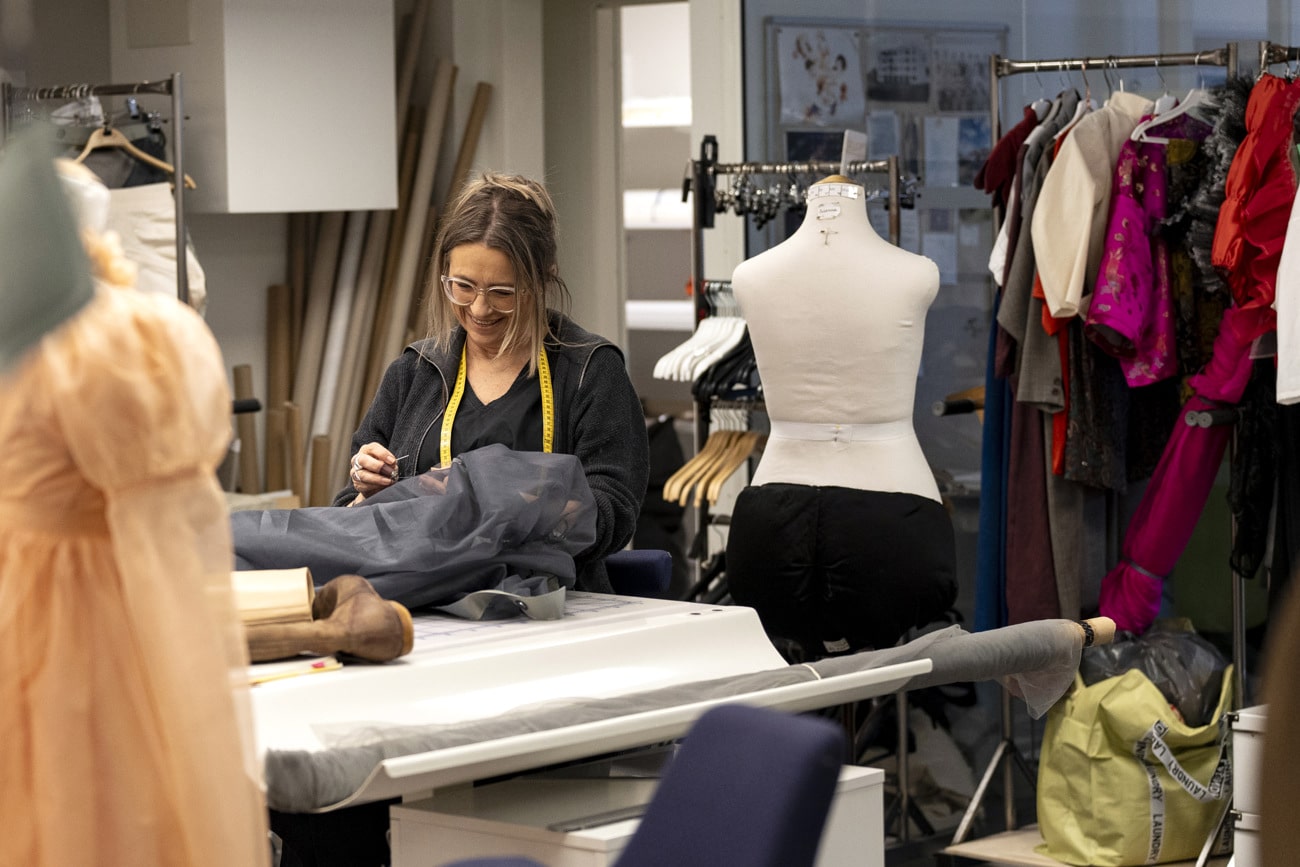
– What we do that you don’t see at regular tailors out in the real world is that we age the costumes, which means we sometimes ruin them so they look like they’ve been vomited on or like the characters have been sleeping in them for two years. Or just worn out—because clothes don’t look new for very long!
For the stage, you sometimes have to make certain things more exaggerated, but that has changed a lot over time. When I started out, a lot of things were exaggerated, both in terms of costumes and makeup; today, it’s much more naturalistic. One thing that complicates matters is that a lot of it is also filmed these days, which places different demands on us than if it were just for the stage. It has to look good up close, too. The costumes, on the other hand, must be just as durable and made properly. But you can cut some corners—you don’t have to use real gold—or blood.
And anything can happen right before a premiere! We’ve had to weather many disasters over the years, like when the dry cleaner ruined a ton of clothes.
The next time audiences will be able to see Maria and the costume department’s creations is during the opera The Mistresses , which will be performed at the Norrlandsoperan from March 8–29, 2025.
Read more and book tickets here: https://norrlandsoperan.se/forestallningar/alskarinnorna/