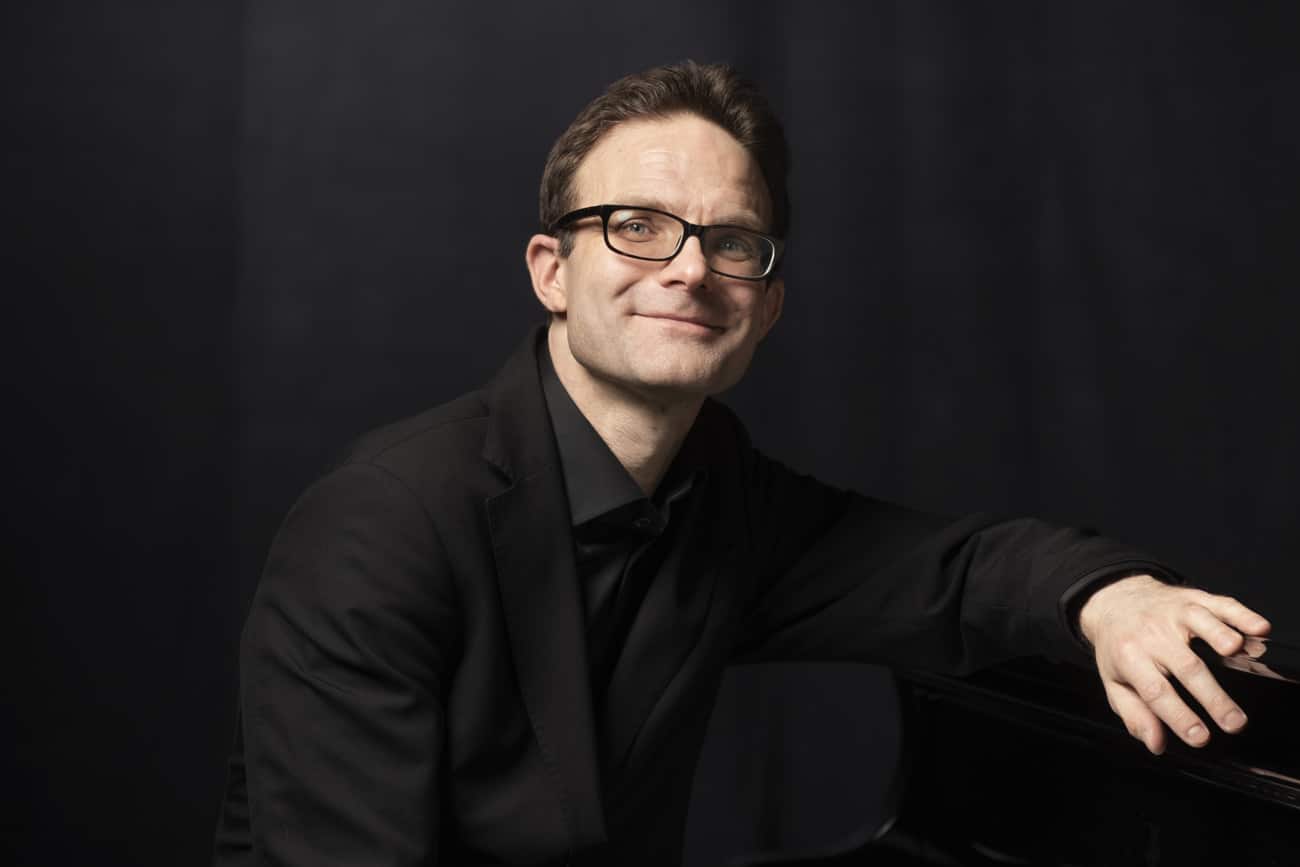
You’re a long-distance commuter—how do you balance everything in your life?
– My family lives in northwestern Germany. During opera rehearsals, I’m here for fairly long stretches, and I usually have to wait until there’s a 5- to 7-day break before I can go home.
It’s pretty common for musicians to live that way. It’s not like there are endless jobs in one place—you take whatever gigs come your way, and then you figure out how to piece your life together from there. It’s an interesting and exciting way to live; the world feels a little bigger than if you just stayed in one place.
How do you like living in Umeå?
– I like Umeå. It feels like a lively and interesting city. When I bring visiting musicians here, I don’t have to be embarrassed about my city—in fact, they’re usually surprised at how nice it is to be here. There are a lot of young, ambitious people living here. I like Umeå and, to be honest, I wouldn’t want to live in any other city in northern Sweden.
Why Olivier Messiaen’s music, specifically?
– He’s interesting to me because I’m highly specialized in contemporary music from the latter part of the 20th century, a period that most classical musicians might tend to avoid. If you go to music school, you’re taught a repertoire that spans from the 1700s to perhaps 1920, and anything after that is almost a different genre. It’s something I’ve immersed myself in very intensely.
So, for me, Messiaen is one of the key figures of the latter half of the 20th century. He was born in 1908, and this work was composed in 1944; most of his major, well-known works were composed after this one. He was also an influential teacher at the Paris Conservatory; there is a long list of the greatest names who studied under Messiaen in his classes. There are connections from many later key figures that lead back to Messiaen.
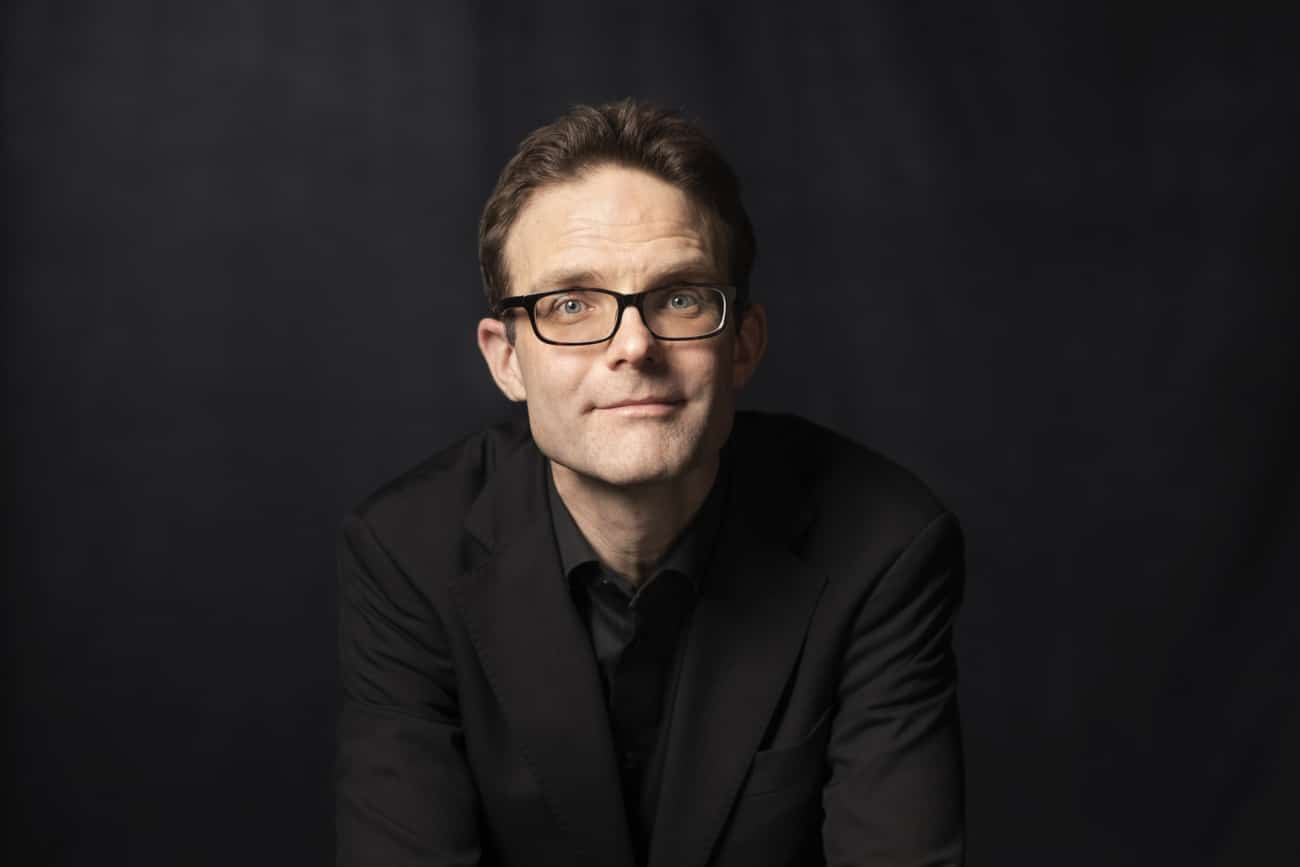
I hear the concert on December 20 is going to be really demanding?
– It’s a two-hour-long work, a 200-page book. There’s an incredible amount to learn. It’s one of those monumental works of art, one of the very greatest, something you just have to tackle. So, sure, people talk about it as something complicated and vast, but it’s also music to be enjoyed.
Ten years later, Messiaen composed the piano work *Catalogue d’Oiseaux*(The Bird Catalog), which is even larger, but it’s not quite the same—more abstract and harder to grasp. This work, *Vingt regards*, is more accessible, easier to present in a concert setting. For solo piano, I would say this work is the most representative of Messiaen. I’m also convinced that it’s music that can captivate anyone and sustain that intensity for a very long time.
Speaking of difficult music, you’ve said before that you practice 6–8 hours a day during a good week. Has anything changed since then?
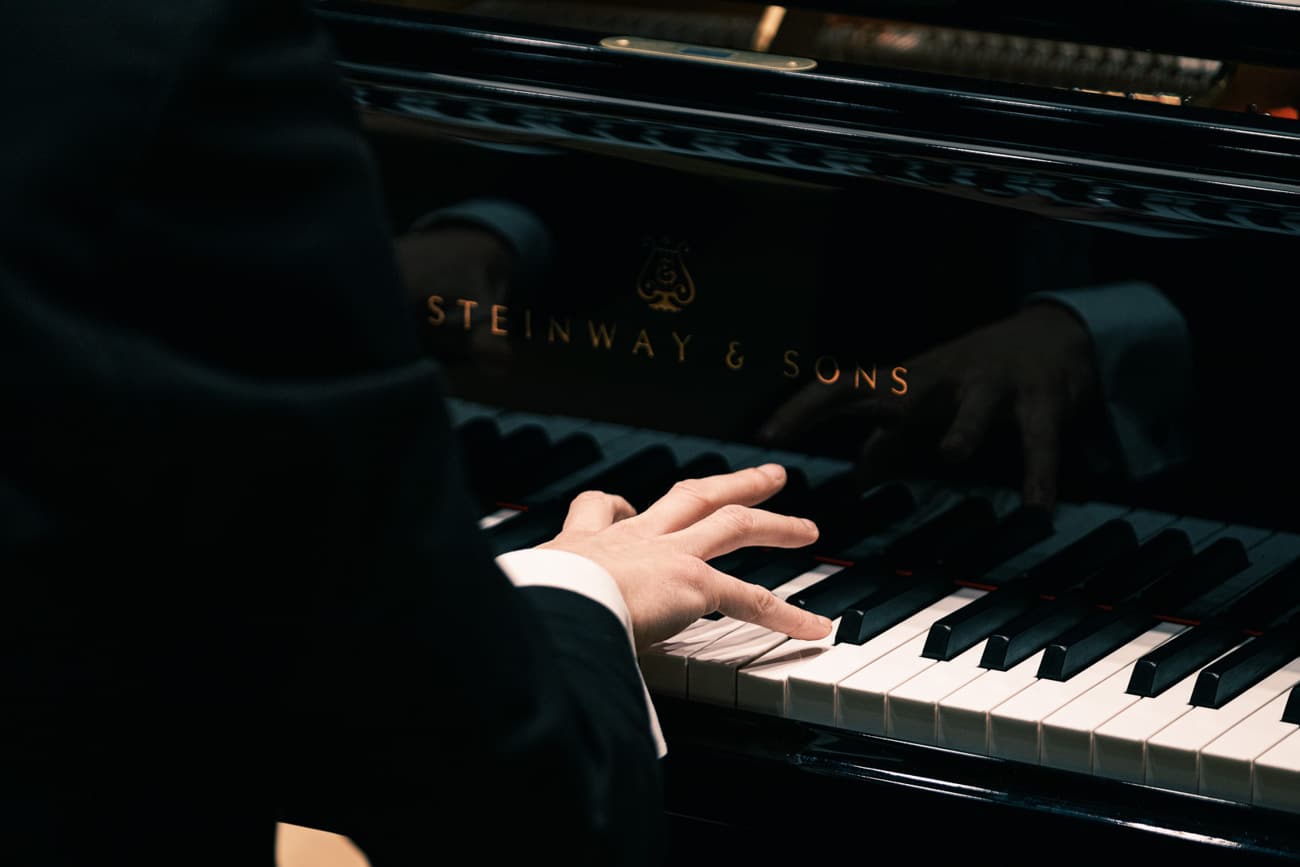
– No. I love practicing, and it’s something I’ll continue to do for the rest of my life. I’ll never be satisfied with what I can do; there’s always something more to learn, something to improve. When you play such demanding contemporary music, you never reach a point where you feel you’ve mastered most of it. You start a new piece, and then you’re a beginner again—and it takes time to make the music sound the way you want it to.
It’s a good way to stay humble in the face of music. The fact that you actually have to learn things and start over from scratch with every new piece you take on.
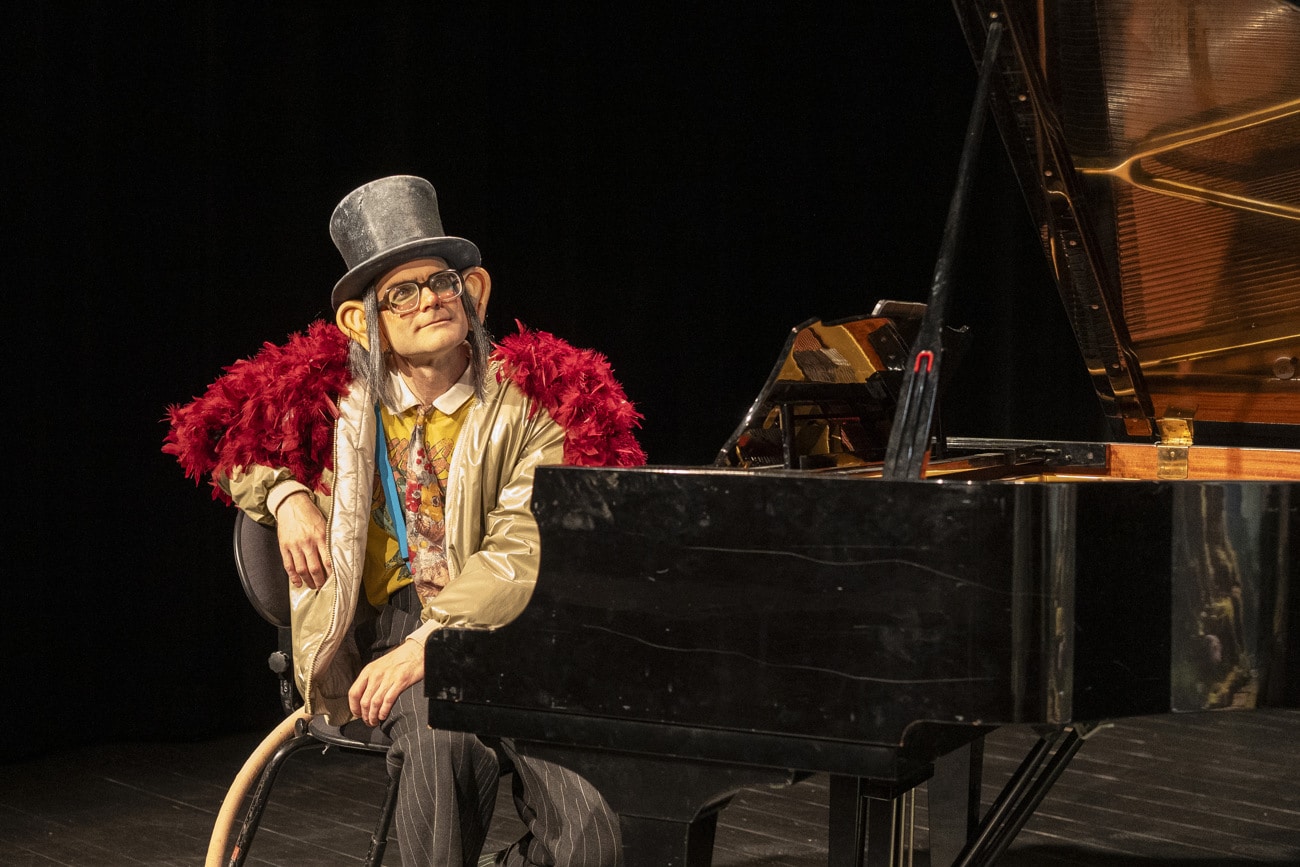
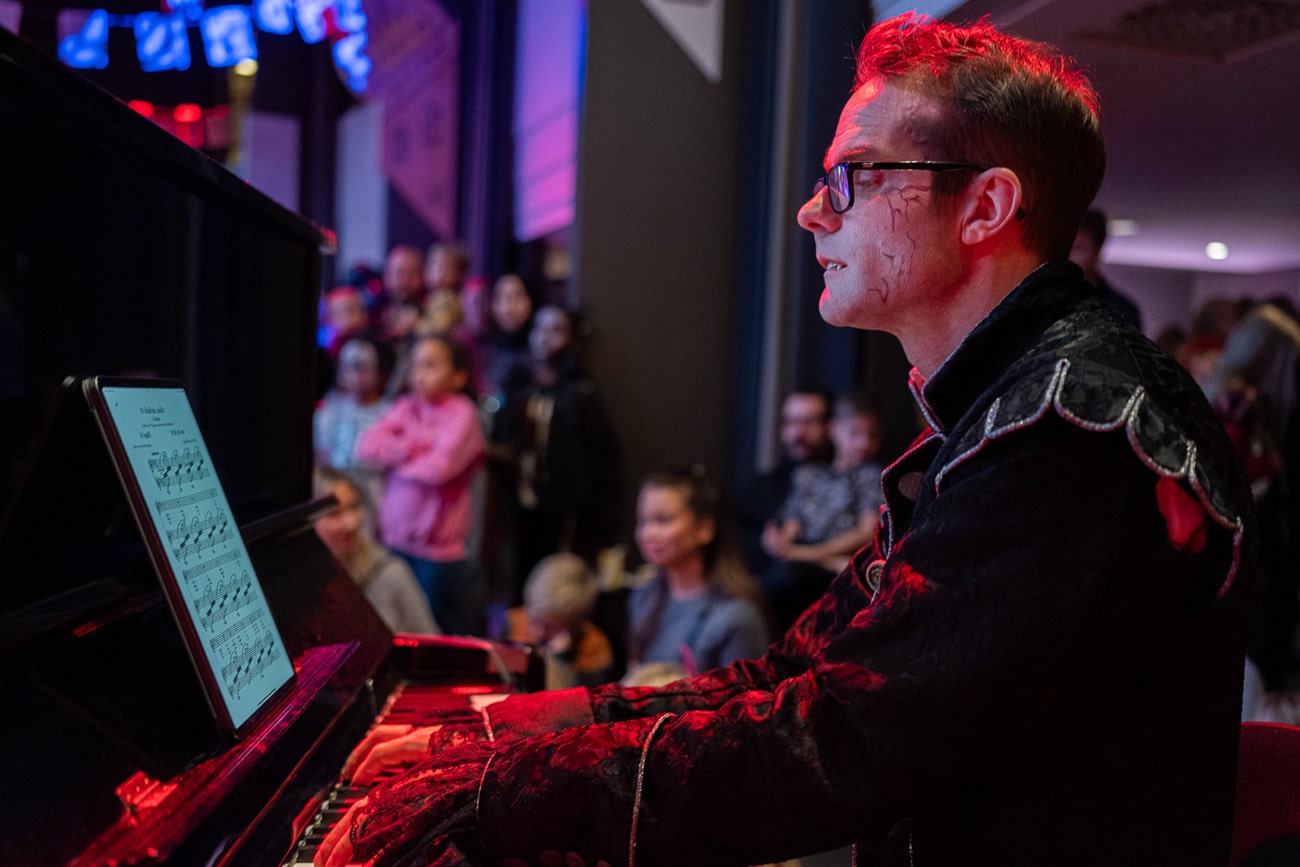
Jonas Olsson in concerts for children at the Norrlandsoperan.
You’re not just a pianist in the Norrlandsoperan Symphony Orchestra—what else do you do?
– I have a varied job. My main role is as an opera rehearsal pianist, and secondarily as a member of the orchestra, and then there are so many small tasks, which makes it very varied. That’s exactly how I want it. I don’t want to just do one thing for the rest of my life; I want to be able to do a wide variety of things. Like playing Messiaen’s grand piano cycles at my workplace.
As an opera rehearsal coach, I always think it’s a fantastic experience to be part of something bigger than oneself. In an opera production, there are 100 people involved, and the result is something you could never achieve on your own or in a smaller setting.
If someone asks me if I’m bored at work, I answer: I’m never bored. And if I am, I find something to do. It could be something as simple as just observing myself—noticing how my shoulders are positioned, how I’m sitting, where my hands are when I play. There’s always an element of practice involved.
How will you feel after a two-and-a-half-hour piano concert?
– I’ll be exhausted, tired, and happy. I’ve done similar things before, but there’s something special about maintaining that level of concentration. Once you’re in the zone, you lose all sense of time and space. You enter a special state, and it’s a magical experience. Only art and music can do that to you.
Jonas Olsson’s Concert Twenty Reflections on the Baby Jesus was performed on December 20, 2024, at 7:00 p.m.
Jonas Olsson’s concert Twenty Reflections on the Baby Jesus will be performed again on December 20, 2025, at 7:00 p.m.
Read more here: https://norrlandsoperan.se/forestallningar/tjugo-betraktelser-over-jesusbarnet/